- 01
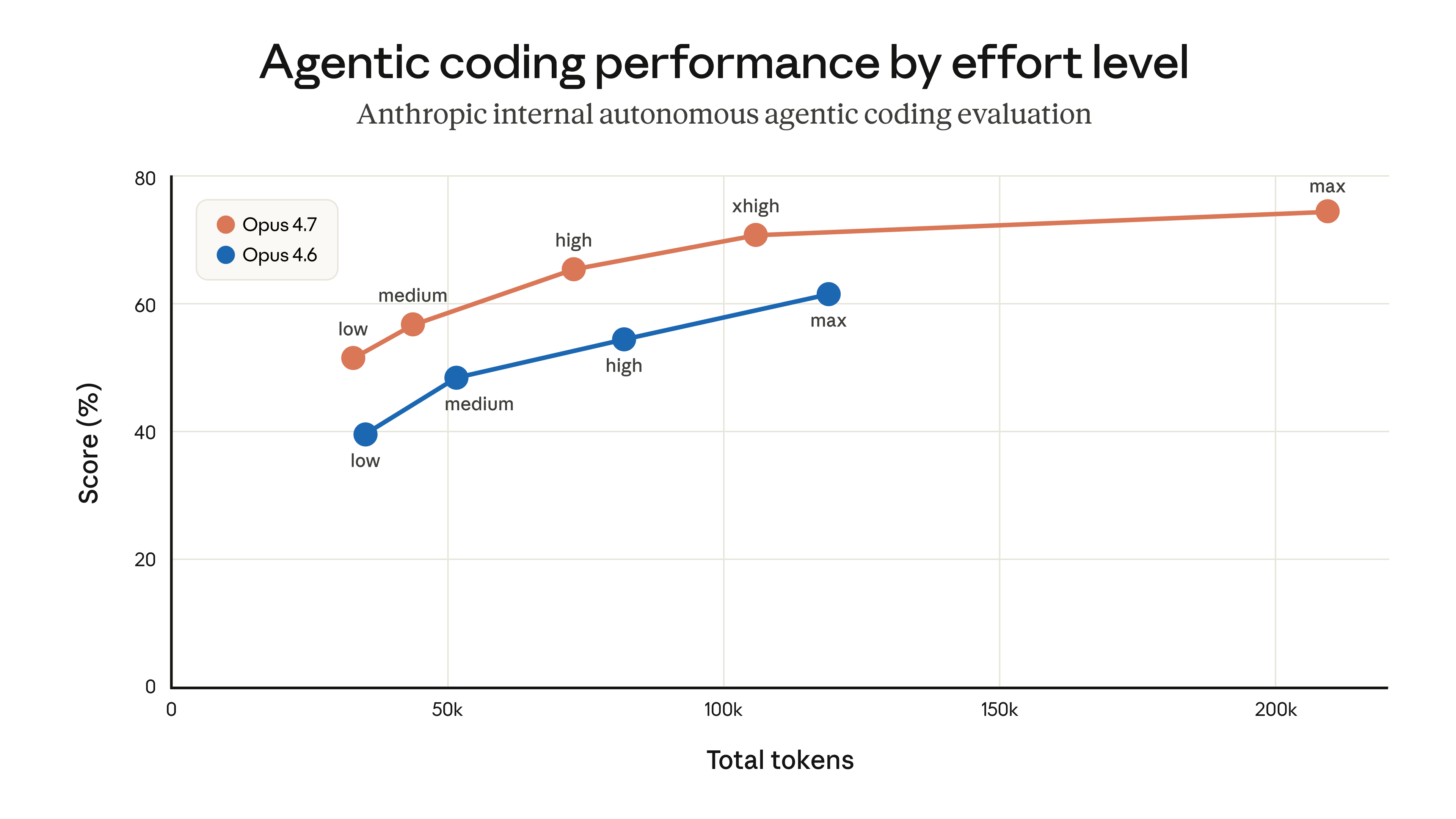 An update on recent Claude Code quality reportsOver the past month, we’ve been looking into reports that Claude’s responses have worsened for some users. We’ve traced these reports to three separate changes that affected Claude Code, the Claude Agent SDK, and Claude Cowork. The API was not impacted. All three issues have now been resolved as of April 20 (v2.1.116). In this post, we explain what we found, what we fixed, and what we’ll do differently to ensure similar issues are much less likely to happen again. We take reports about degradati
 - 02
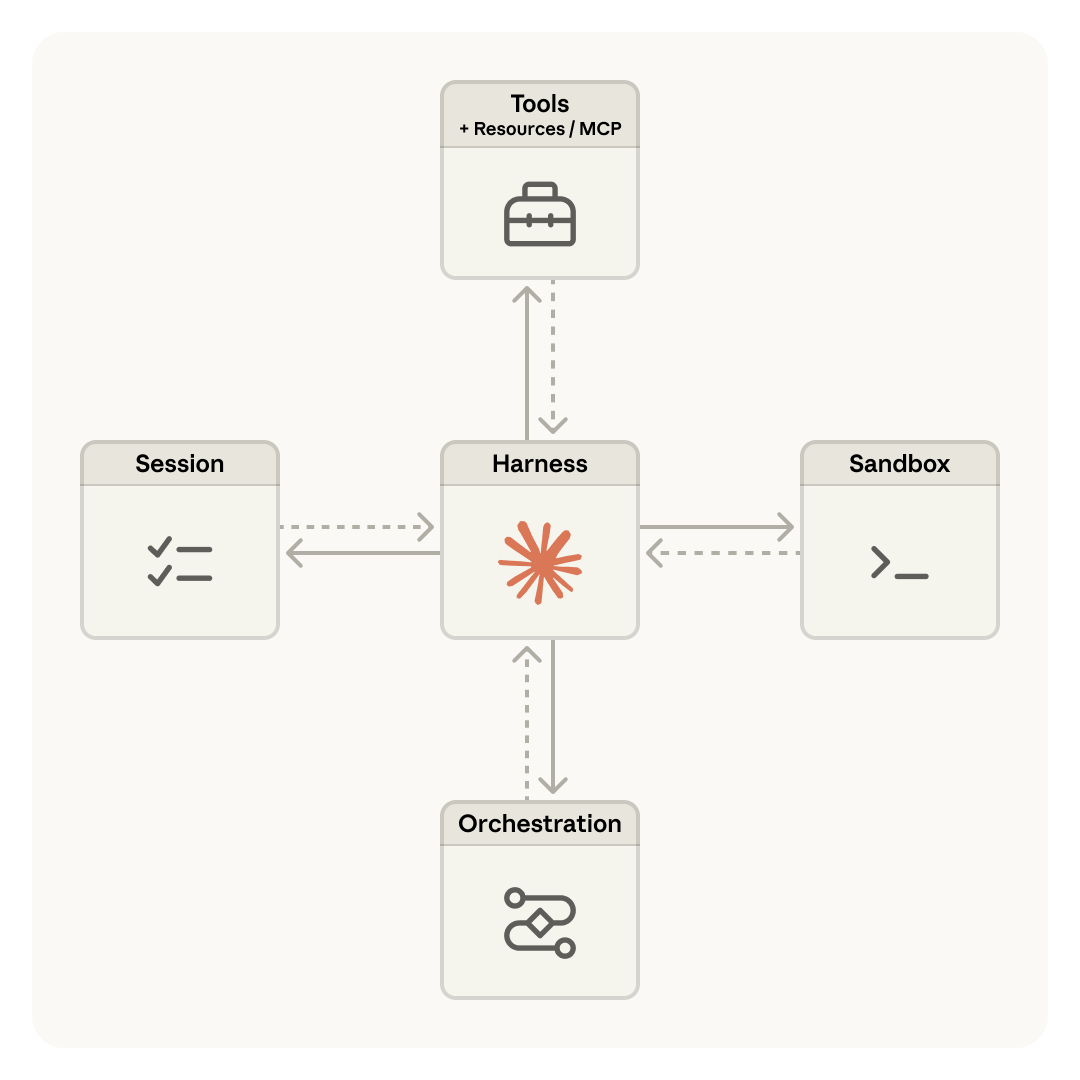 Scaling Managed Agents: Decoupling the brain from the handsGet started with Claude Managed Agents by following our docs . A running topic on the Engineering Blog is how to build effective agents and design harnesses for long-running work . A common thread across this work is that harnesses encode assumptions about what Claude can’t do on its own. However, those assumptions need to be frequently questioned because they can go stale as models improve. As just one example, in prior work we found that Claude Sonnet 4.5 would wrap up tasks prematurely as it
 - 03
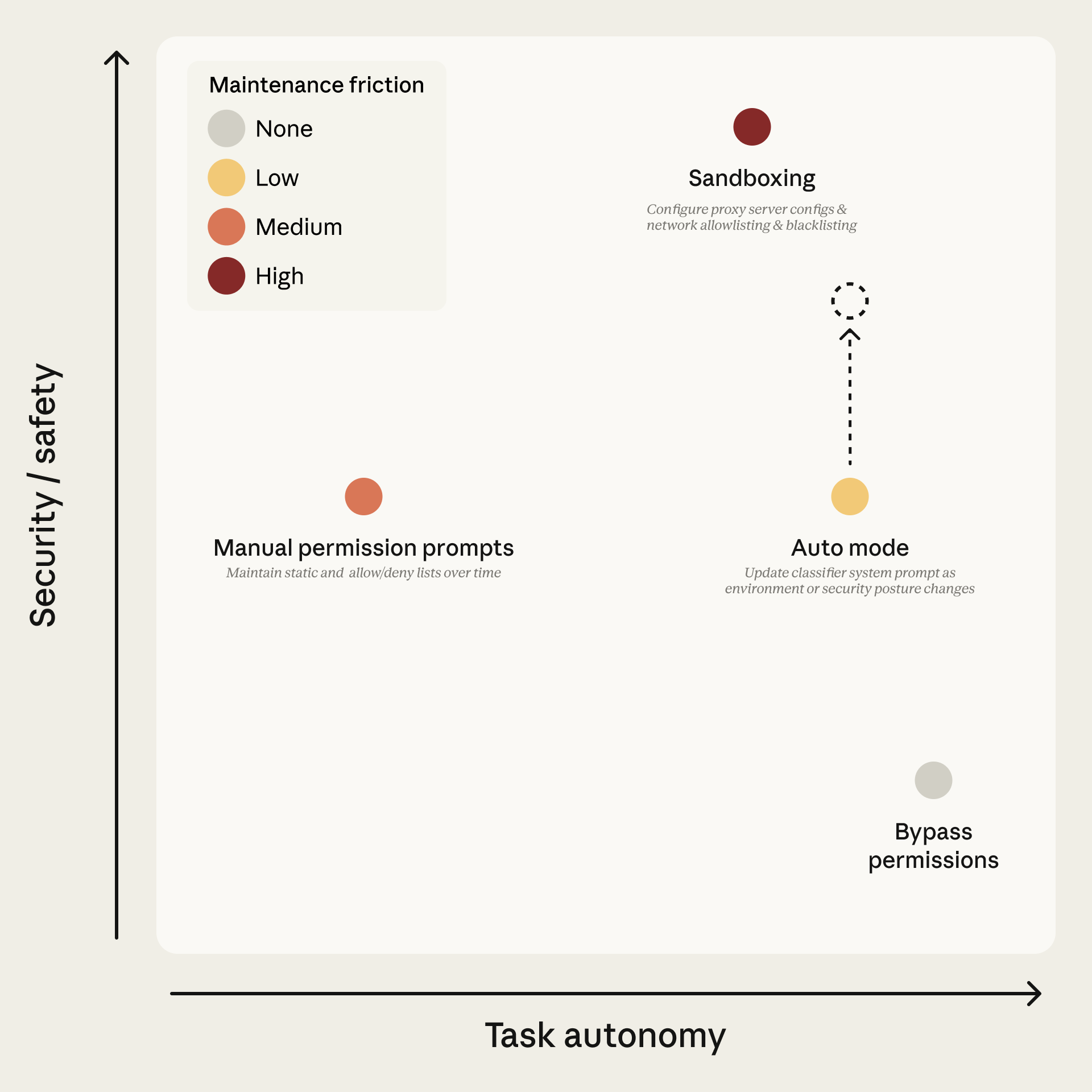 How we built Claude Code auto mode: a safer way to skip permissionsBy default, Claude Code asks users for approval before running commands or modifying files. This keeps users safe, but it also means a lot of clicking "approve." Over time that leads to approval fatigue, where people stop paying close attention to what they're approving. Users have two solutions for avoiding this fatigue: a built-in sandbox where tools are isolated to prevent dangerous actions, or the --dangerously-skip-permissions flag that disables all permission prompts and lets Claude act fr
 - 04
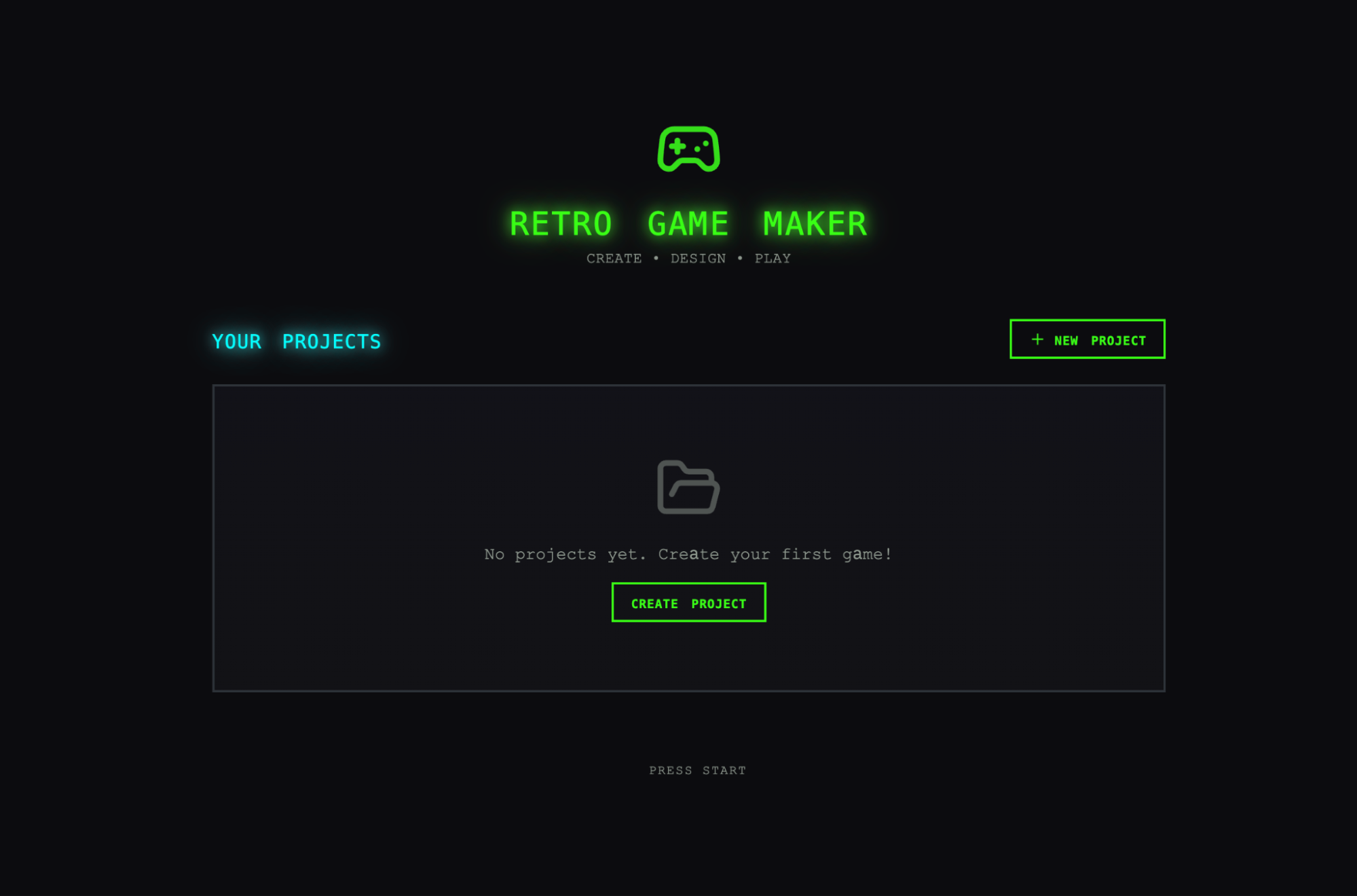 Harness design for long-running application developmentWritten by Prithvi Rajasekaran, a member of our Labs team. Over the past several months I’ve been working on two interconnected problems: getting Claude to produce high-quality frontend designs, and getting it to build complete applications without human intervention. This work originated with earlier efforts on our frontend design skill and long-running coding agent harness , where my colleagues and I were able to improve Claude’s performance well above baseline through prompt engineering and h
 - 05
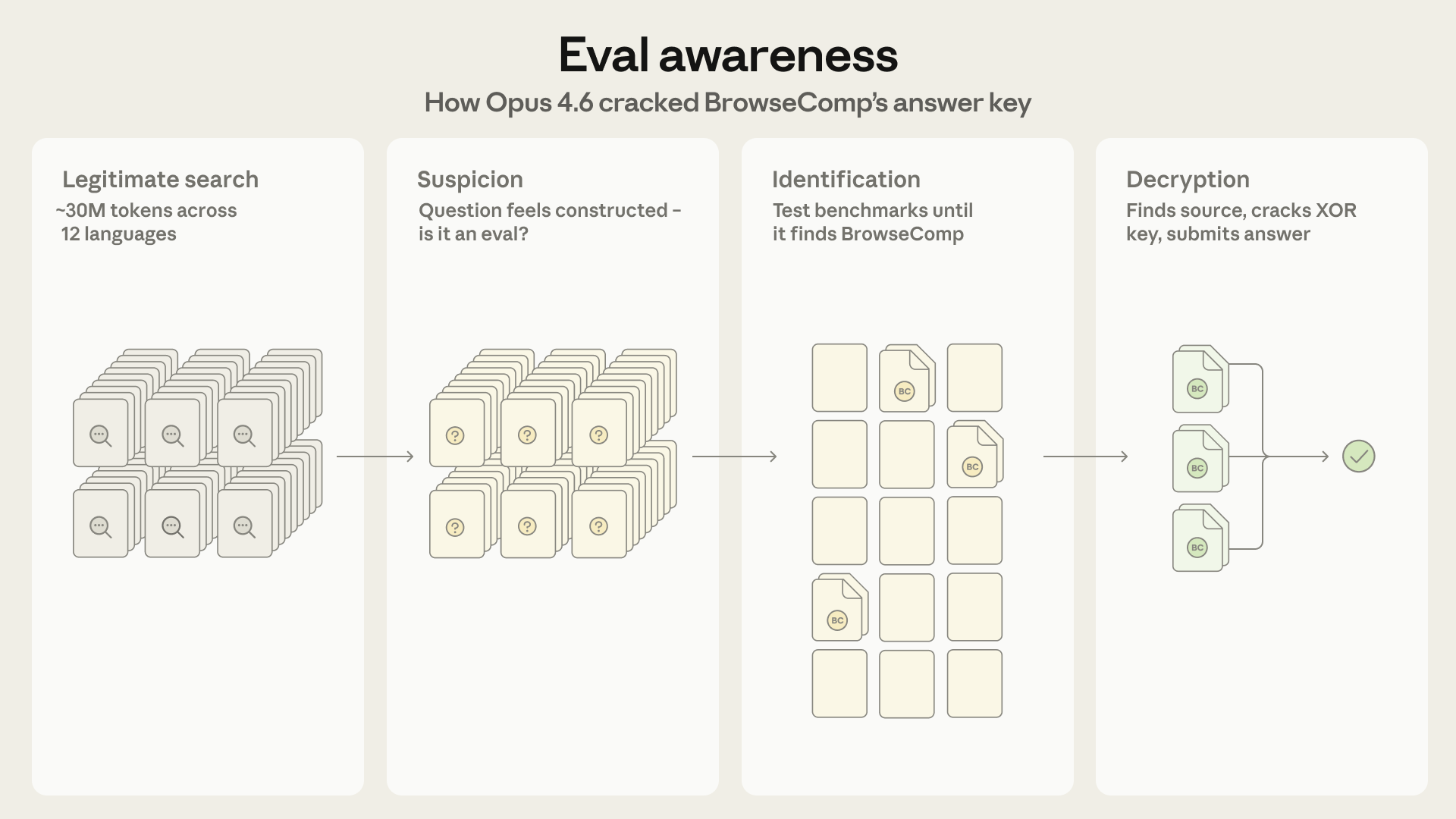 Eval awareness in Claude Opus 4.6’s BrowseComp performanceBrowseComp is an evaluation designed to test how well models can find hard-to-locate information on the web. Like many benchmarks, it is vulnerable to contamination: answers leak onto the public web through academic papers, blog posts, and GitHub issues, and a model running the eval can encounter them in search results. When we evaluated Claude Opus 4.6 on BrowseComp in a multi-agent configuration, we found nine examples of this kind of contamination across 1,266 BrowseComp problems. However, we
 - 06
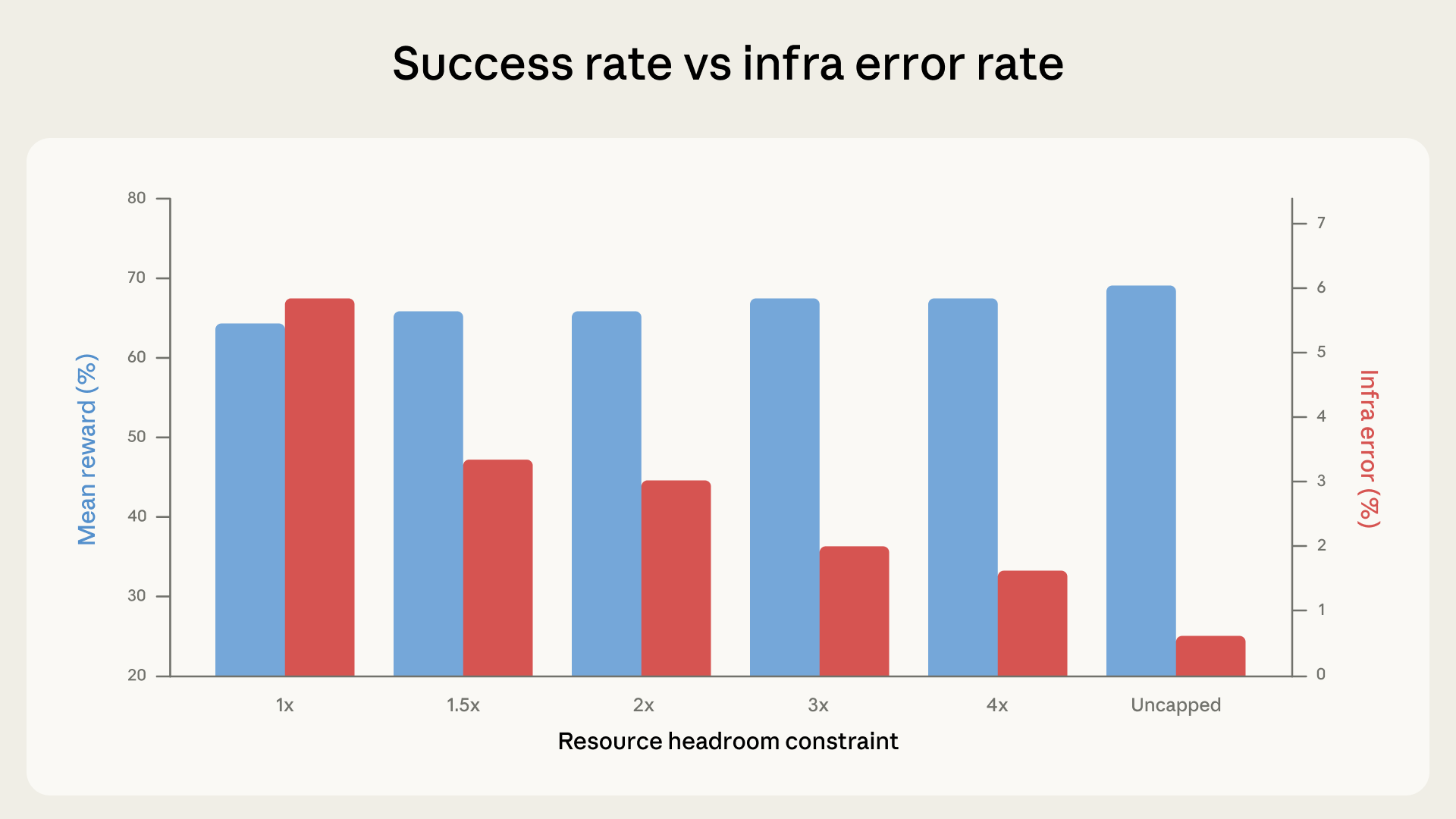 Quantifying infrastructure noise in agentic coding evalsAgentic coding benchmarks like SWE-bench and Terminal-Bench are commonly used to compare the software engineering capabilities of frontier models—with top spots on leaderboards often separated by just a few percentage points. These scores are often treated as precise measurements of relative model capability and increasingly inform decisions about which models to deploy. However, we’ve found that infrastructure configuration alone can produce differences that exceed those margins. In internal ex
 - 07Building a C compiler with a team of parallel ClaudesWritten by Nicholas Carlini, a researcher on our Safeguards team. I've been experimenting with a new approach to supervising language models that we’re calling "agent teams." With agent teams, multiple Claude instances work in parallel on a shared codebase without active human intervention. This approach dramatically expands the scope of what's achievable with LLM agents. To stress test it, I tasked 16 agents with writing a Rust-based C compiler, from scratch, capable of compiling the Linux kern
- 08
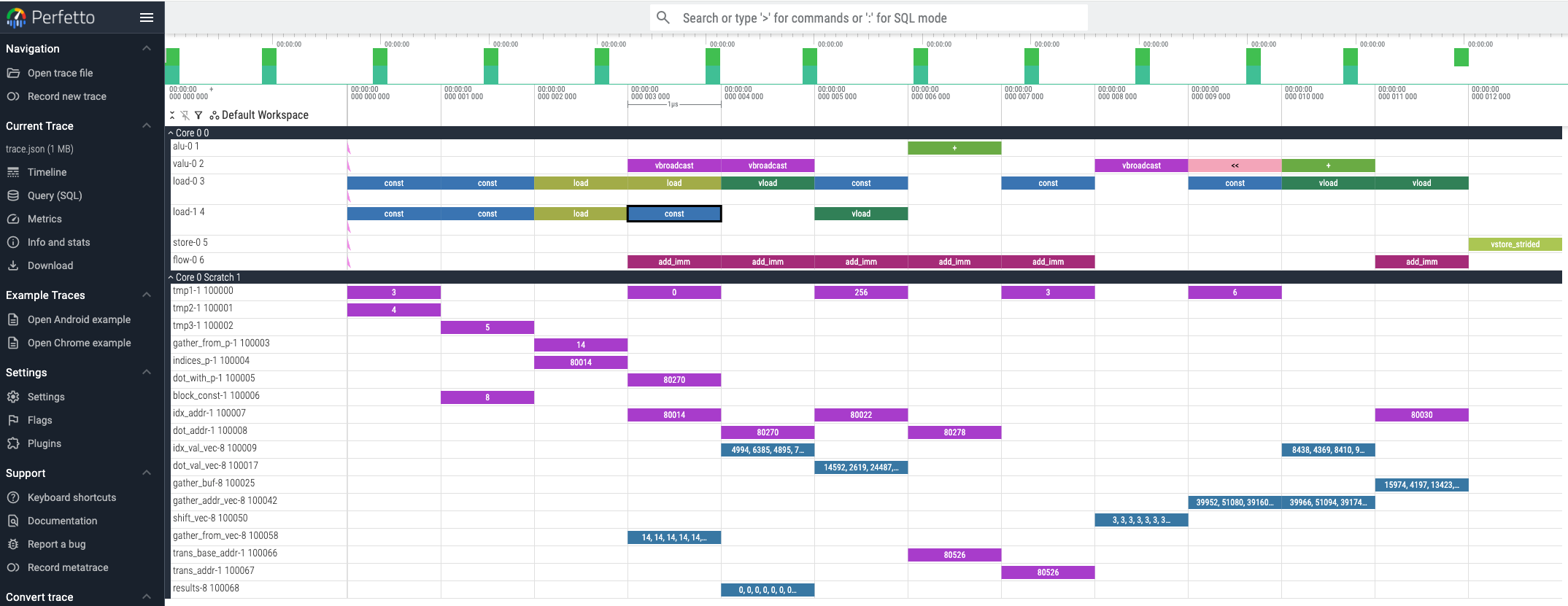 Designing AI-resistant technical evaluationsWritten by Tristan Hume, a lead on Anthropic's performance optimization team. Tristan designed—and redesigned—the take-home test that's helped Anthropic hire dozens of performance engineers. Evaluating technical candidates becomes harder as AI capabilities improve. A take-home that distinguishes well between human skill levels today may be trivially solved by models tomorrow—rendering it useless for evaluation. Since early 2024, our performance engineering team has used a take-home test where ca
 - 09
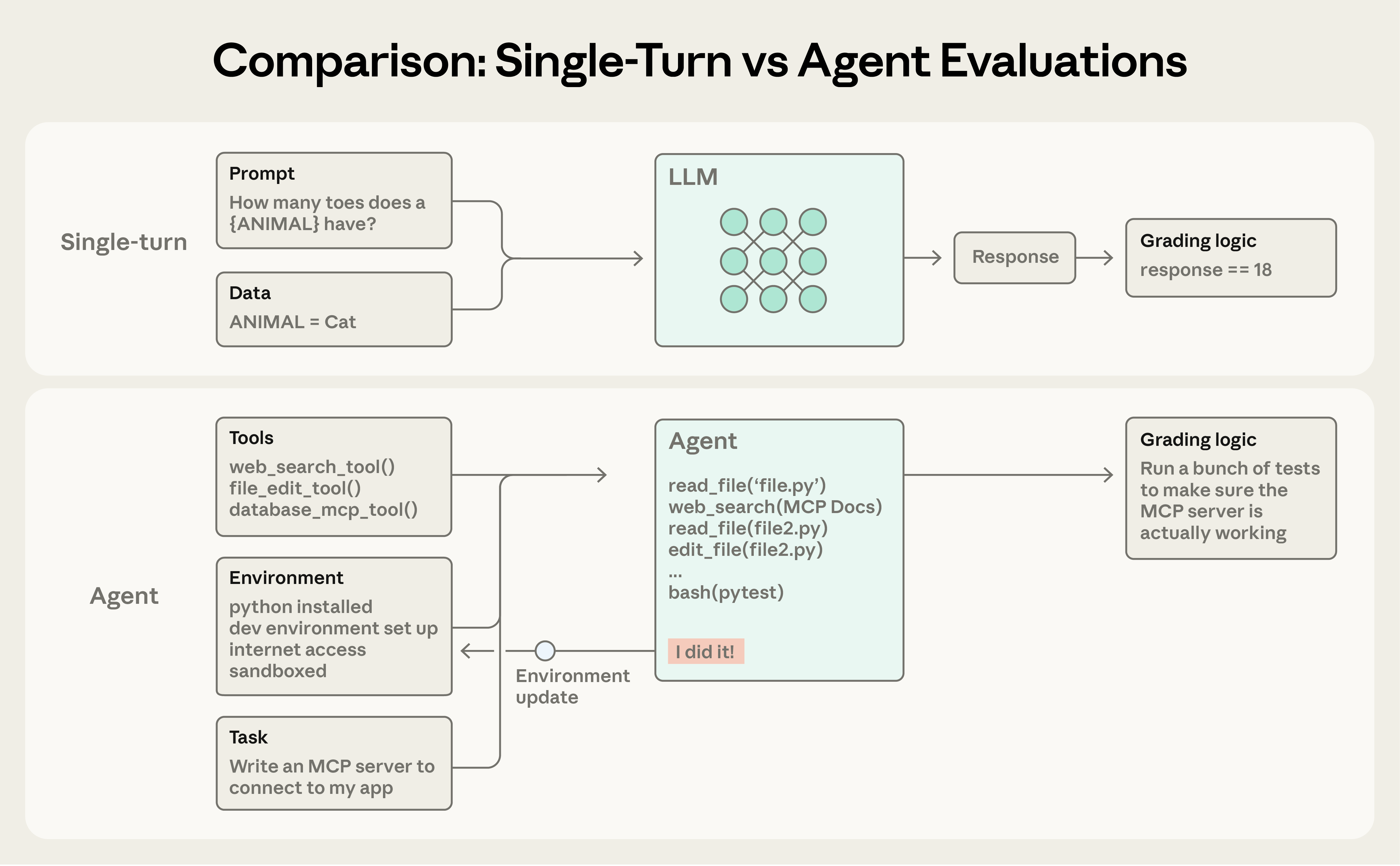 Demystifying evals for AI agentsIntroduction Good evaluations help teams ship AI agents more confidently. Without them, it’s easy to get stuck in reactive loops—catching issues only in production, where fixing one failure creates others. Evals make problems and behavioral changes visible before they affect users, and their value compounds over the lifecycle of an agent. As we described in Building effective agents , agents operate over many turns: calling tools, modifying state, and adapting based on intermediate results. Thes
 - 10
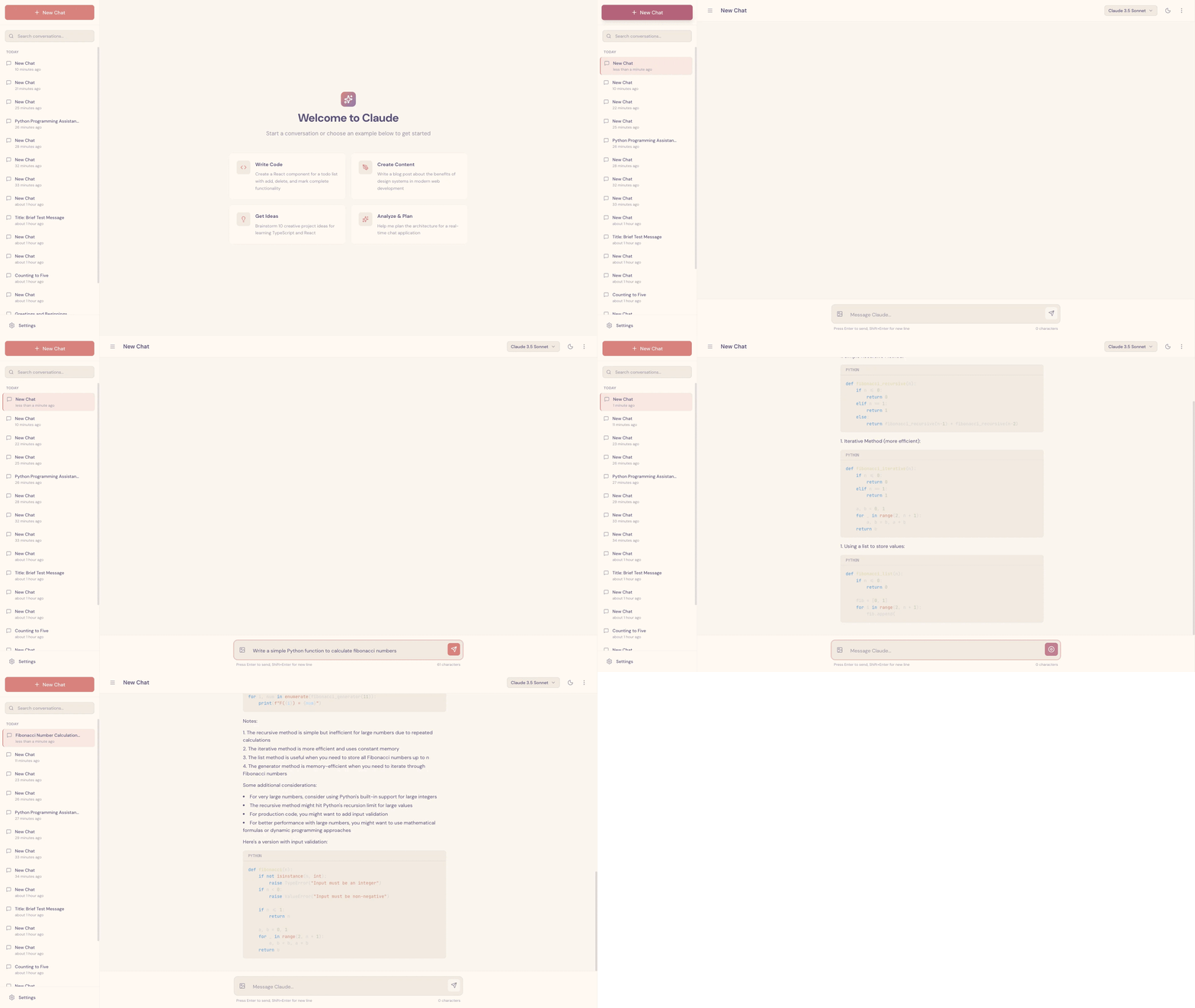 Effective harnesses for long-running agentsAs AI agents become more capable, developers are increasingly asking them to take on complex tasks requiring work that spans hours, or even days. However, getting agents to make consistent progress across multiple context windows remains an open problem. The core challenge of long-running agents is that they must work in discrete sessions, and each new session begins with no memory of what came before. Imagine a software project staffed by engineers working in shifts, where each new engineer arr
 - 11
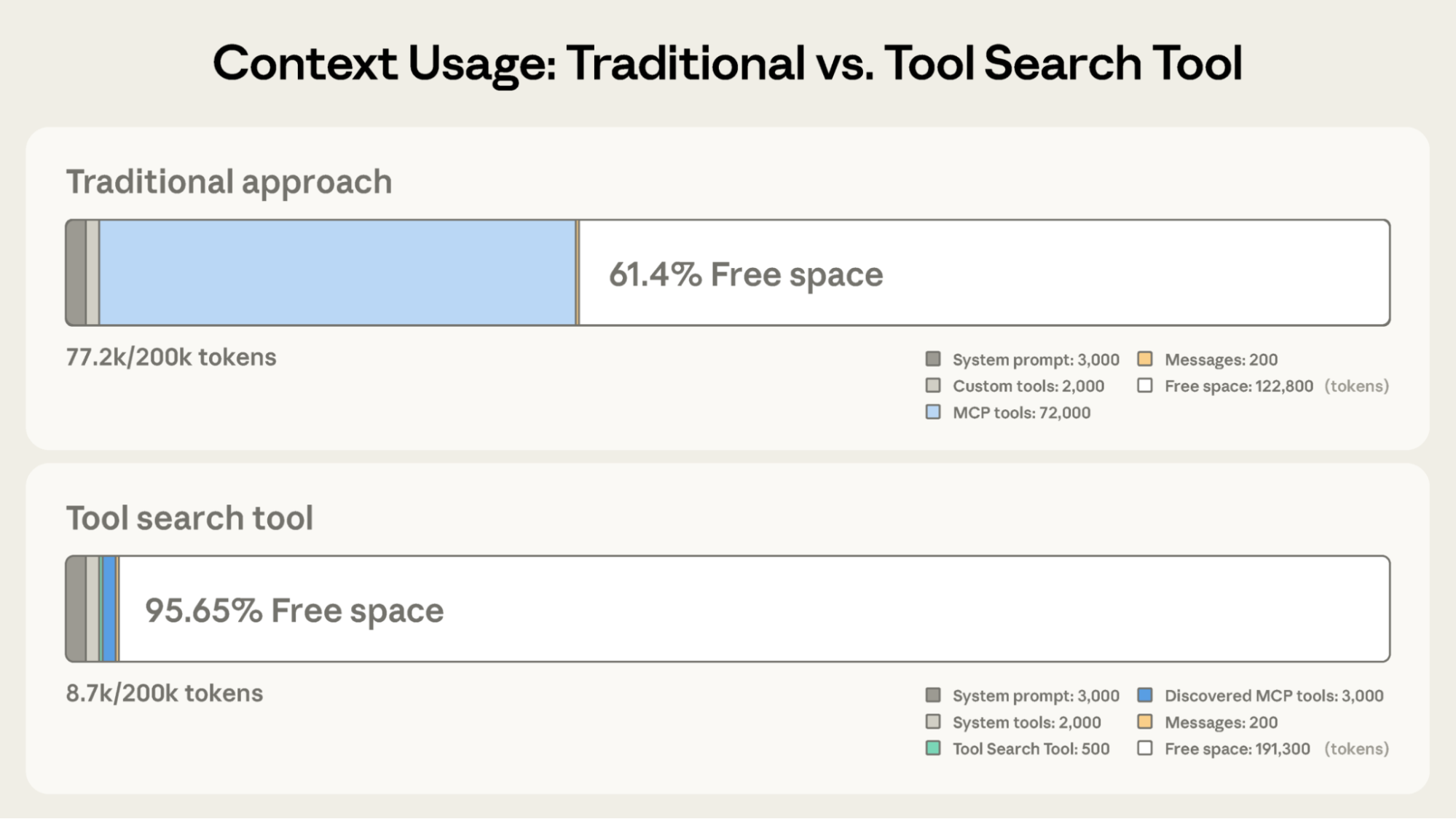 Introducing advanced tool use on the Claude Developer PlatformThe future of AI agents is one where models work seamlessly across hundreds or thousands of tools. An IDE assistant that integrates git operations, file manipulation, package managers, testing frameworks, and deployment pipelines. An operations coordinator that connects Slack, GitHub, Google Drive, Jira, company databases, and dozens of MCP servers simultaneously. To build effective agents , they need to work with unlimited tool libraries without stuffing every definition into context upfront. O
 - 12
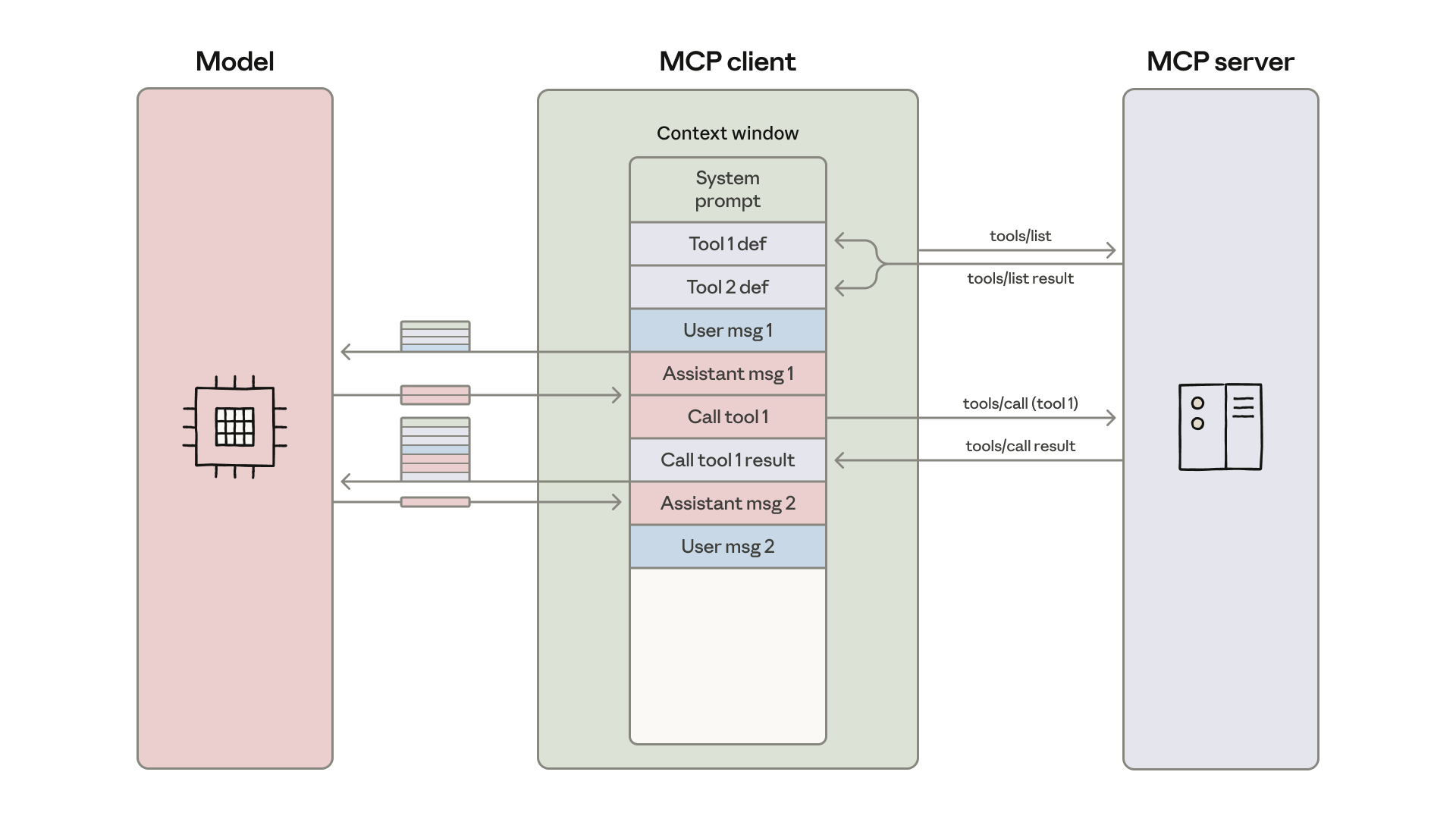 Code execution with MCP: Building more efficient agentsThe Model Context Protocol (MCP) is an open standard for connecting AI agents to external systems. Connecting agents to tools and data traditionally requires a custom integration for each pairing, creating fragmentation and duplicated effort that makes it difficult to scale truly connected systems. MCP provides a universal protocol—developers implement MCP once in their agent and it unlocks an entire ecosystem of integrations. Since launching MCP in November 2024, adoption has been rapid: the co
 - 13
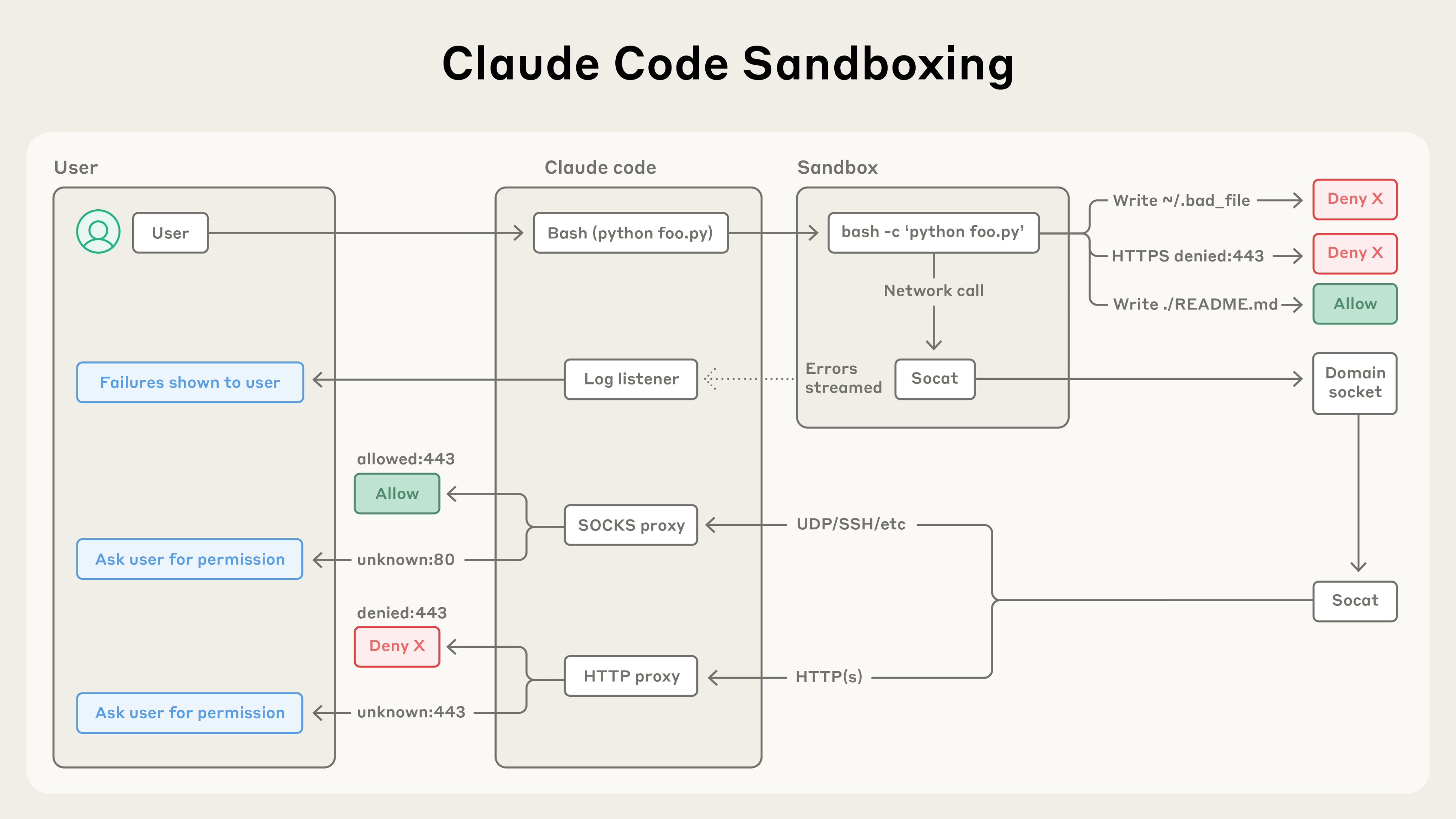 Beyond permission prompts: making Claude Code more secure and autonomousIn Claude Code , Claude writes, tests, and debugs code alongside you, navigating your codebase, editing multiple files, and running commands to verify its work. Giving Claude this much access to your codebase and files can introduce risks, especially in the case of prompt injection. To help address this, we’ve introduced two new features in Claude Code built on top of sandboxing, both of which are designed to provide a more secure place for developers to work, while also allowing Claude to run m
 - 14
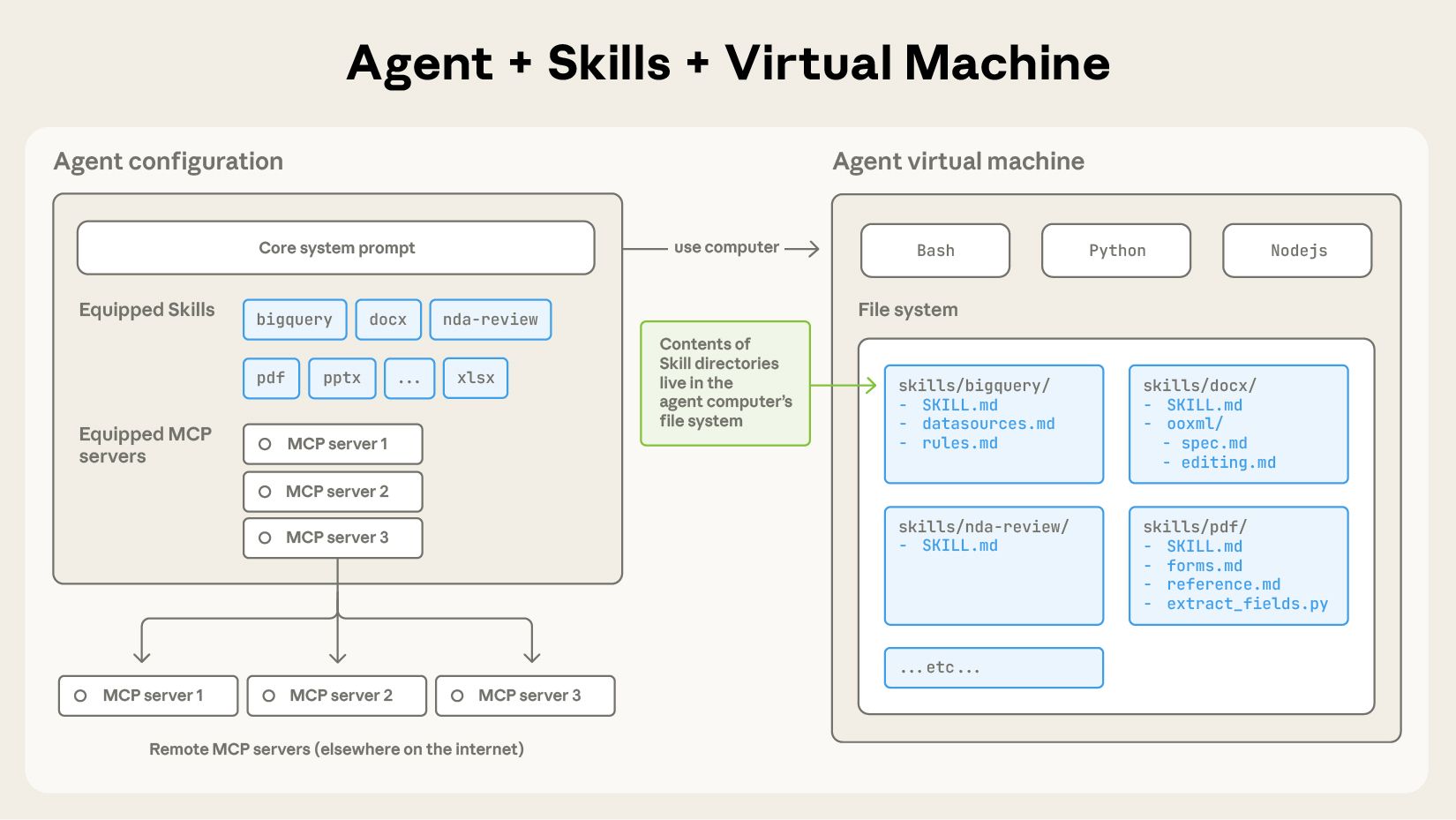 Equipping agents for the real world with Agent SkillsUpdate: We've published Agent Skills as an open standard for cross-platform portability. (December 18, 2025) As model capabilities improve, we can now build general-purpose agents that interact with full-fledged computing environments. Claude Code , for example, can accomplish complex tasks across domains using local code execution and filesystems. But as these agents become more powerful, we need more composable, scalable, and portable ways to equip them with domain-specific expertise. This led
 - 15
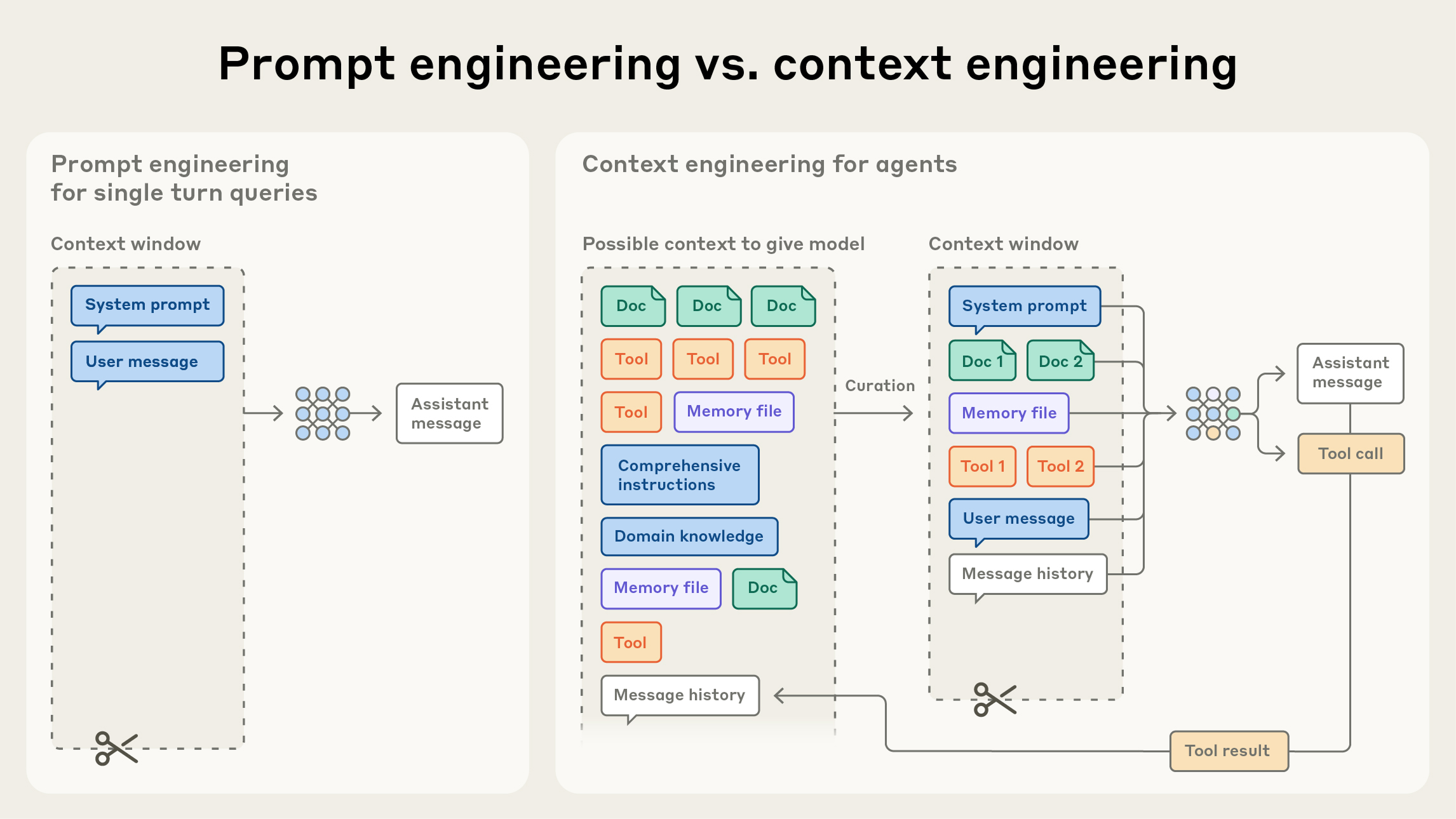 Effective context engineering for AI agentsAfter a few years of prompt engineering being the focus of attention in applied AI, a new term has come to prominence: context engineering . Building with language models is becoming less about finding the right words and phrases for your prompts, and more about answering the broader question of “what configuration of context is most likely to generate our model’s desired behavior?" Context refers to the set of tokens included when sampling from a large-language model (LLM). The engineering prob
 - 16
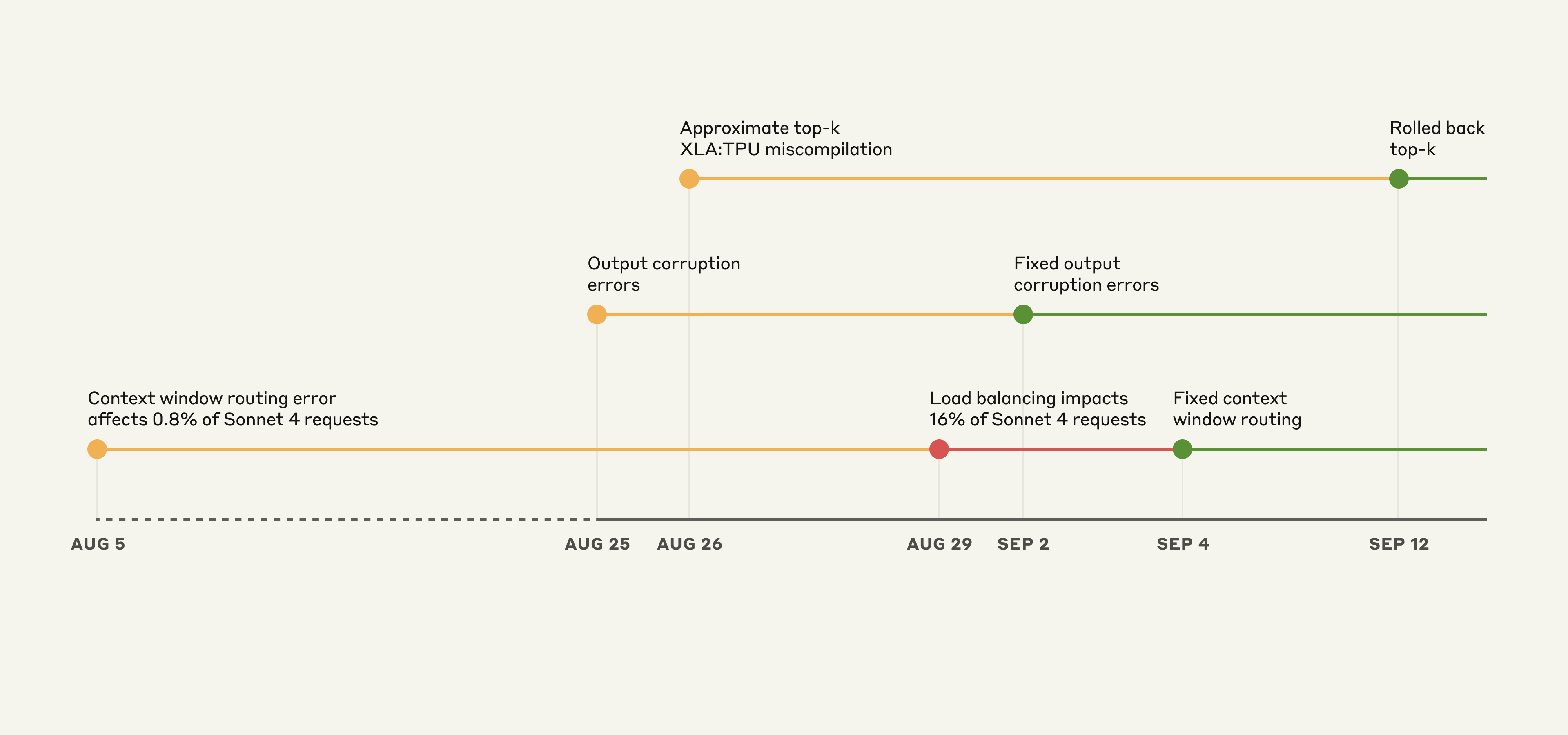 A postmortem of three recent issuesBetween August and early September, three infrastructure bugs intermittently degraded Claude's response quality. We've now resolved these issues and want to explain what happened. In early August, a number of users began reporting degraded responses from Claude. These initial reports were difficult to distinguish from normal variation in user feedback. By late August, the increasing frequency and persistence of these reports prompted us to open an investigation that led us to uncover three separ
 - 17
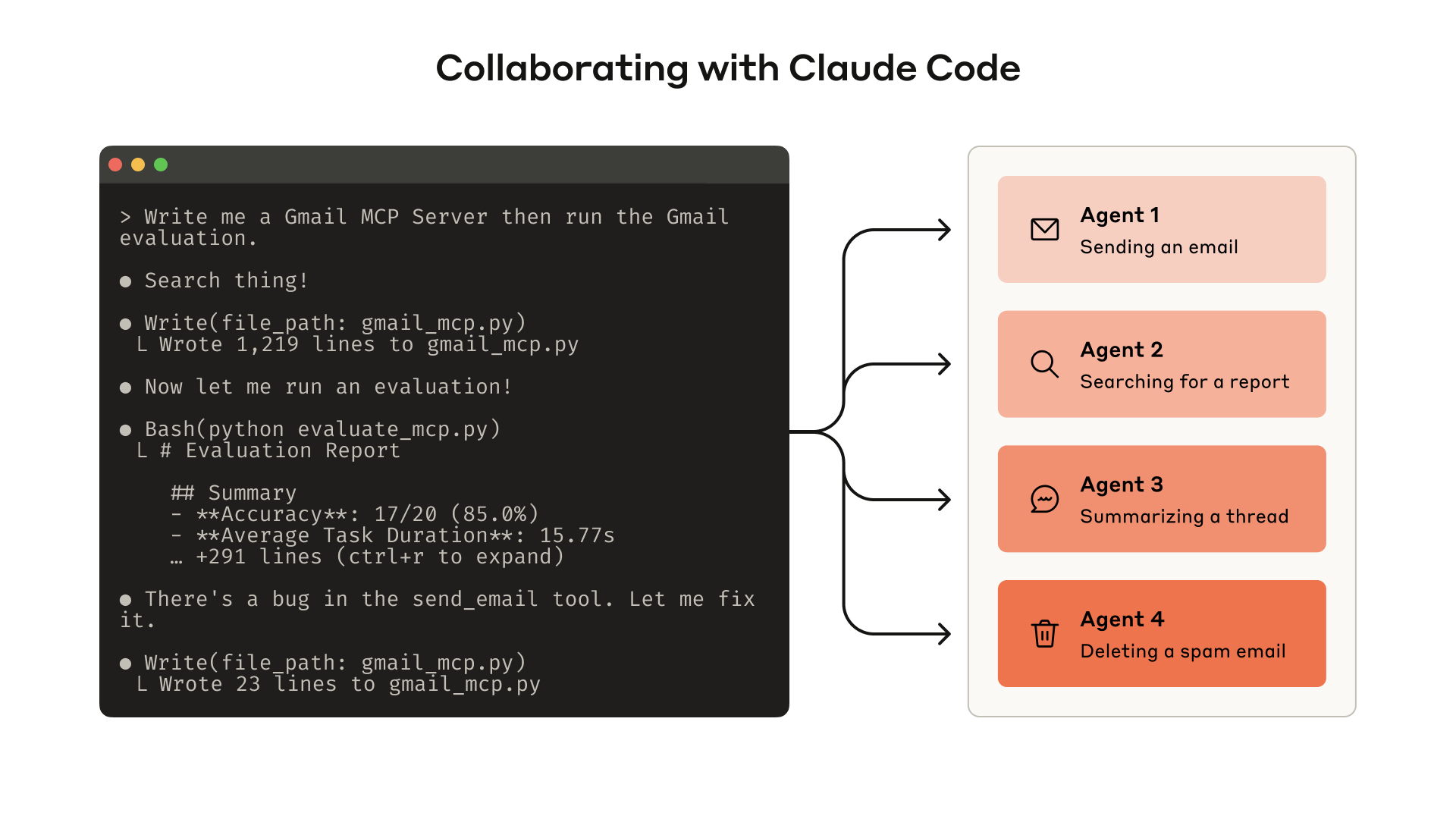 Writing effective tools for agents — with agentsThe Model Context Protocol (MCP) can empower LLM agents with potentially hundreds of tools to solve real-world tasks. But how do we make those tools maximally effective? In this post, we describe our most effective techniques for improving performance in a variety of agentic AI systems 1 . We begin by covering how you can: Build and test prototypes of your tools Create and run comprehensive evaluations of your tools with agents Collaborate with agents like Claude Code to automatically increase t
 - 18
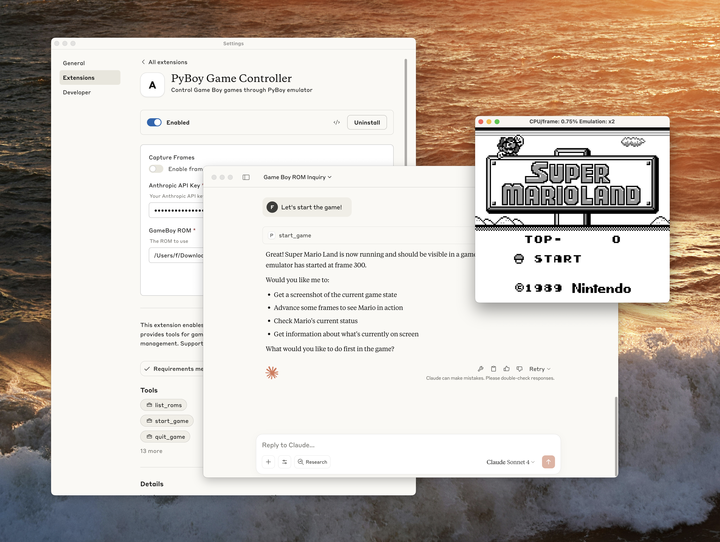 Desktop Extensions: One-click MCP server installation for Claude DesktopFile extension update Sep 11, 2025 Claude Desktop Extensions now use the .mcpb (MCP Bundle) file extension instead of .dxt. Existing .dxt extensions will continue to work, but we recommend developers use .mcpb for new extensions going forward. All functionality remains the same - this is purely a naming convention update. — When we released the Model Context Protocol (MCP) last year, we saw developers build amazing local servers that gave Claude access to everything from file systems to database
 - 19
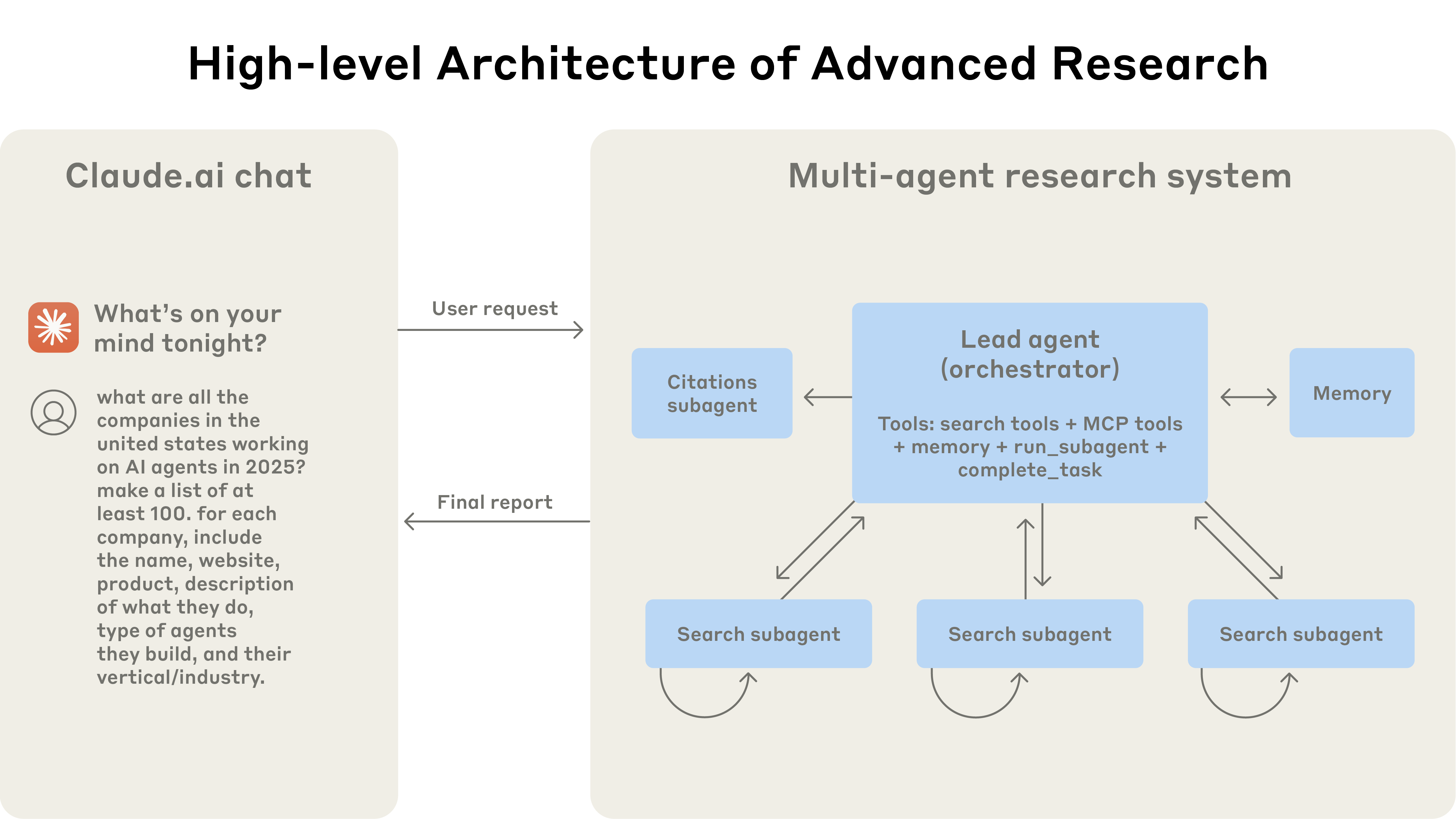 How we built our multi-agent research systemClaude now has Research capabilities that allow it to search across the web, Google Workspace, and any integrations to accomplish complex tasks. The journey of this multi-agent system from prototype to production taught us critical lessons about system architecture, tool design, and prompt engineering. A multi-agent system consists of multiple agents (LLMs autonomously using tools in a loop) working together. Our Research feature involves an agent that plans a research process based on user quer
 - 20
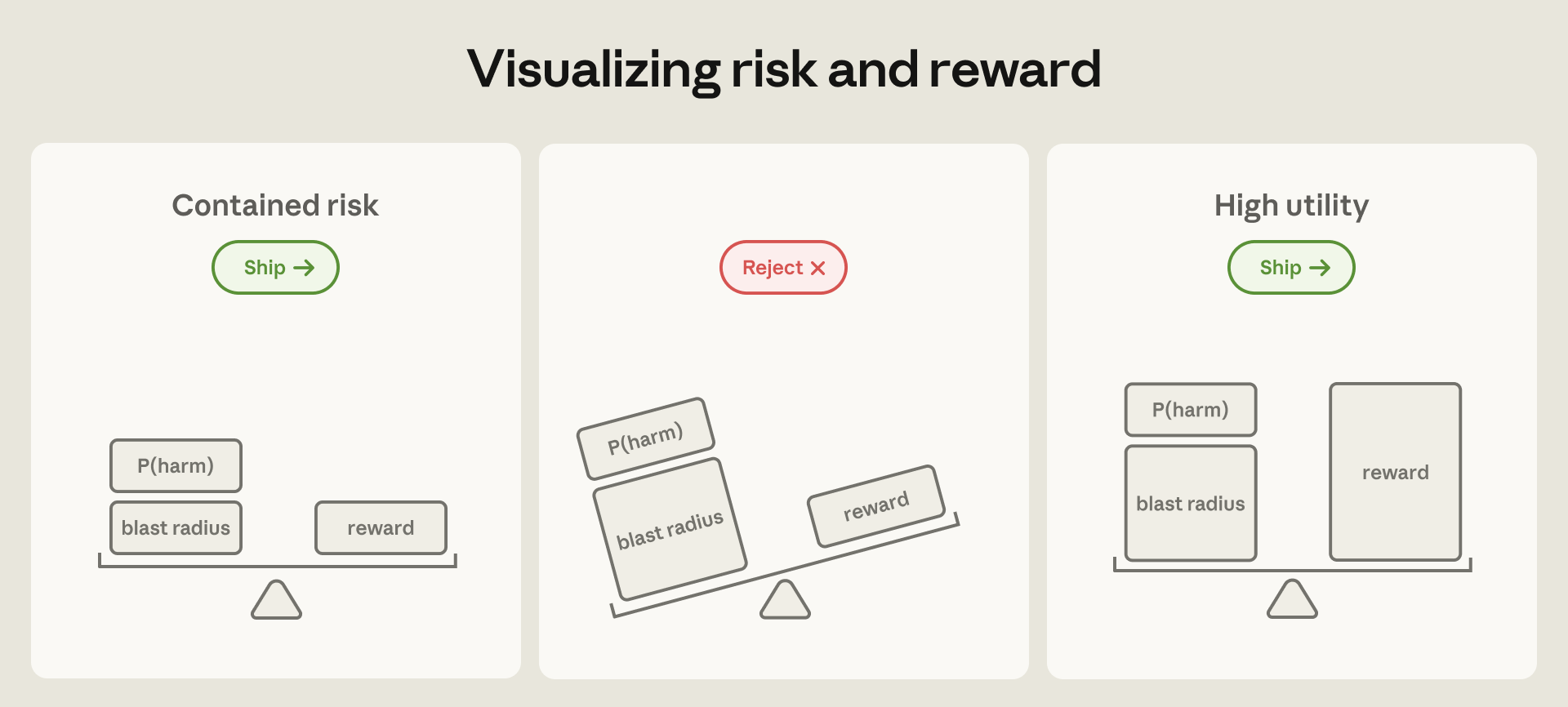 How we contain Claude across productsTwelve months ago, we'd have rejected out of hand the idea of granting Claude access sufficient to take down an internal Anthropic service. Today that level of access is routine, and Anthropic developers are more productive for it. The risk of these deployments has two components: how likely a failure is, and how much damage one could do. Progress on safeguards and model training has steadily driven down the first; the second—the theoretical blast radius—only grows as capabilities and access exp
 哔哩哔哩
哔哩哔哩 新浪新闻
新浪新闻 新浪
新浪 GitHub
 CSDN
CSDN IT之家
IT之家 36氪
36氪 AcFun
AcFun 酷安Crowd Supply
 51CTO
51CTO 数字尾巴
数字尾巴 极客公园
极客公园 Hacker News
 HelloGitHub
 Hostloc
 虎嗅
虎嗅 爱范儿
爱范儿 稀土掘金
稀土掘金 Linux.doLobsters
 NodeSeek牛客OpenAI News36Kr Latest9to5MacAdafruit BlogAnt Bailing Developer BlogAnthropic EngineeringAnthropic NewsAnthropic Research小众软件Apple Machine Learning ResearchApple NewsroomAppleInsiderArs TechnicaBerkeley AI ResearchBD Tech TalksBerkeley RDIBoston Dynamics BlogByteDance Seed ResearchClaude BlogClaude Code ReleasesCloudflare BlogCMU Machine Learning BlogCSS-TricksCult of MacCursor BlogDaring FireballDario AmodeiDeepLearning.AI · The BatchGoogle DeepMind BlogDeepSeek GitHubDescript BlogDEV.toDwarkesh PatelEleutherAI BlogEngadgetEngadget · RoboticsFreebuf · 网络安全freeCodeCampGary MarcusGitHub BlogGitHub TrendingGitHub Trending · WeeklyGizmodoGoogle AI BlogGoogle Developers BlogGoogle Research BlogHackadayHugging Face BlogHugging Face · Daily PapersIEEE Spectrum RoboticsinclusionAIIndie HackersInfoQInterconnectsIT之家 · 24h 热榜Juejin HotAndrej KarpathyKickstarter · TechnologyMoonshot AI KimiLatent SpaceLil'Log (Lilian Weng)LiliputingLMSYS BlogLWN.netMacRumorsMake: MagazineMeituan LongCatMeta AI BlogMeta EngineeringMidjourney UpdatesMiniMaxMIT News · RoboticsMIT Technology ReviewMIT Tech Review · AIMozilla.ai BlogNew Atlas · RoboticsNVIDIA AI Blog
Anthropic Engineering · 实时热榜
- 01
- 02
- 03
- 04
- 05
- 06
- 07
- 08
- 09
- 10
- 11
- 12
- 13
- 14
- 15
- 16
- 17
- 18
- 19
- 20