Researchers find air pollution from data center electricity use can affect communities far from the facilities, with some of the highest impacts in the Midwest.Adam Zewe | MIT News
The speedy microrobot flies without an attached motion-capture system, moving it closer to applications like agriculture or industrial surveillance.Adam Zewe | MIT News
A more flexible training method can make AI text detectors more robust when new models emerge or AI-generated text is disguised to appear human.Adam Zewe | MIT News
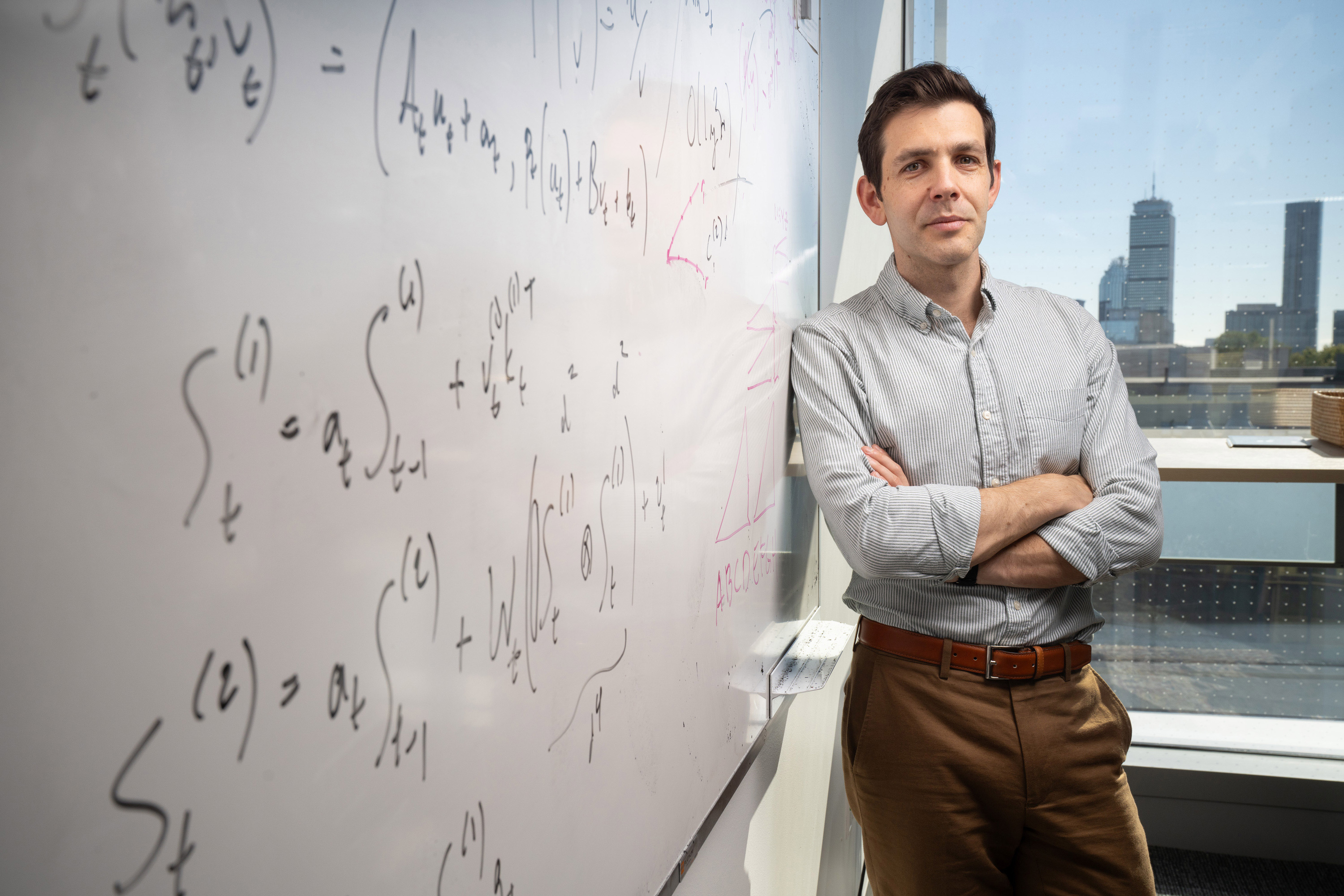
By studying the computational foundations of language learning, Associate Professor Jacob Andreas builds intelligent systems that can communicate effectively with humans.Adam Zewe | MIT News
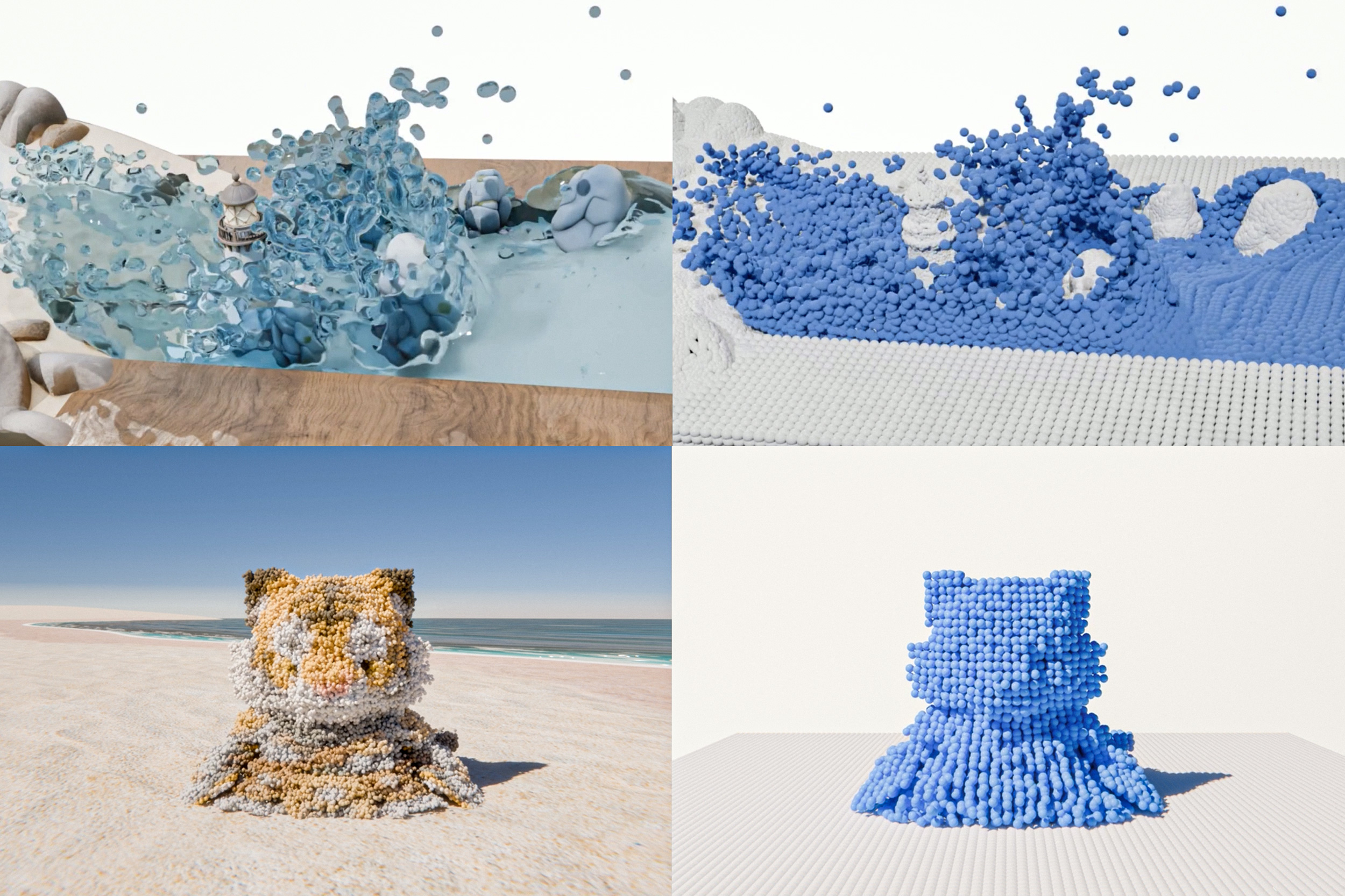
MIT scientists developed a training method to generate models that simulate the effects of human activities on climate much more quickly than other approaches.Adam Zewe | MIT News
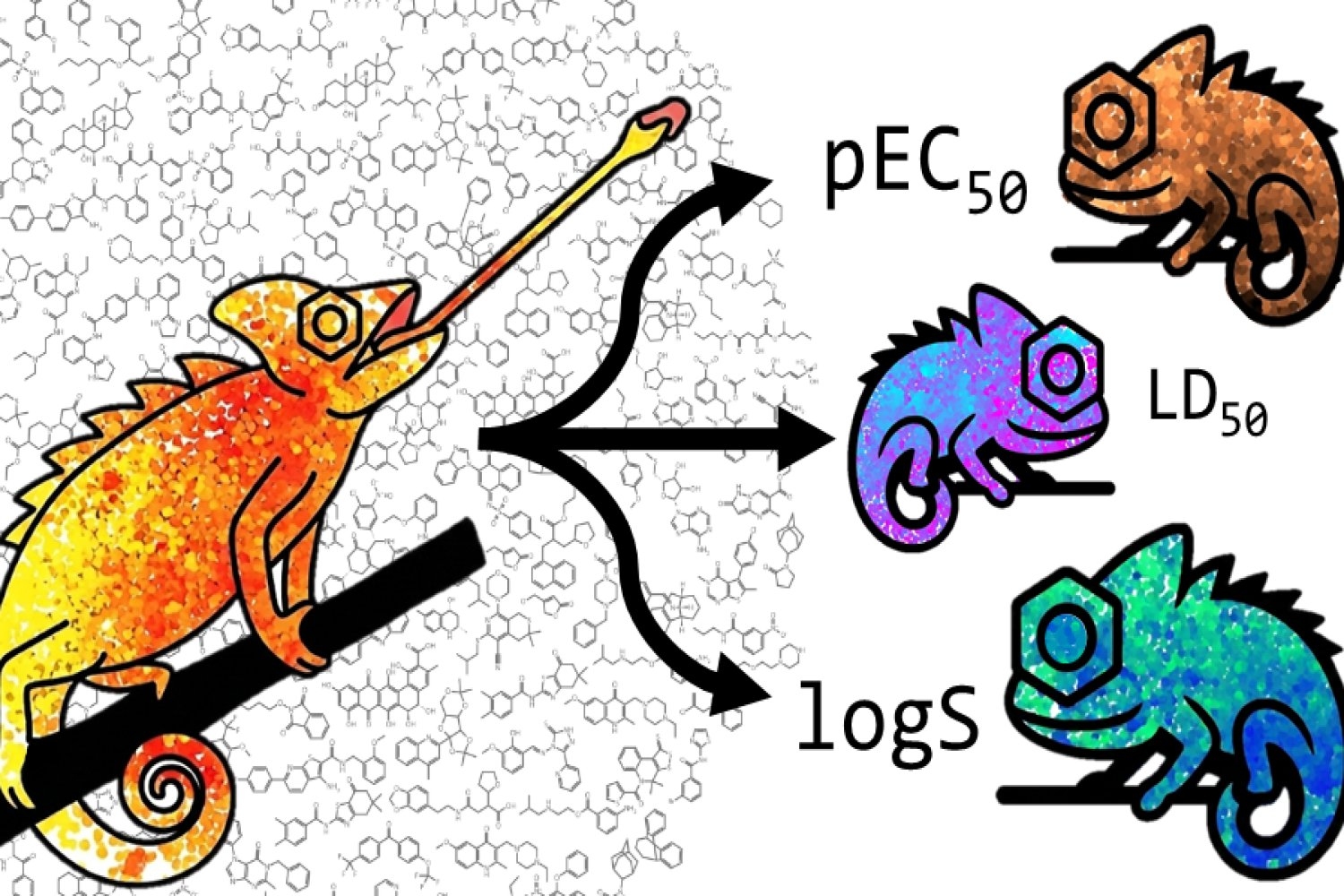
A machine-learning approach called CheMeleon provides a practical way to develop new drugs or other molecules with much less detailed, expensive experimentation.David L. Chandler | Department of Chemical Engineering
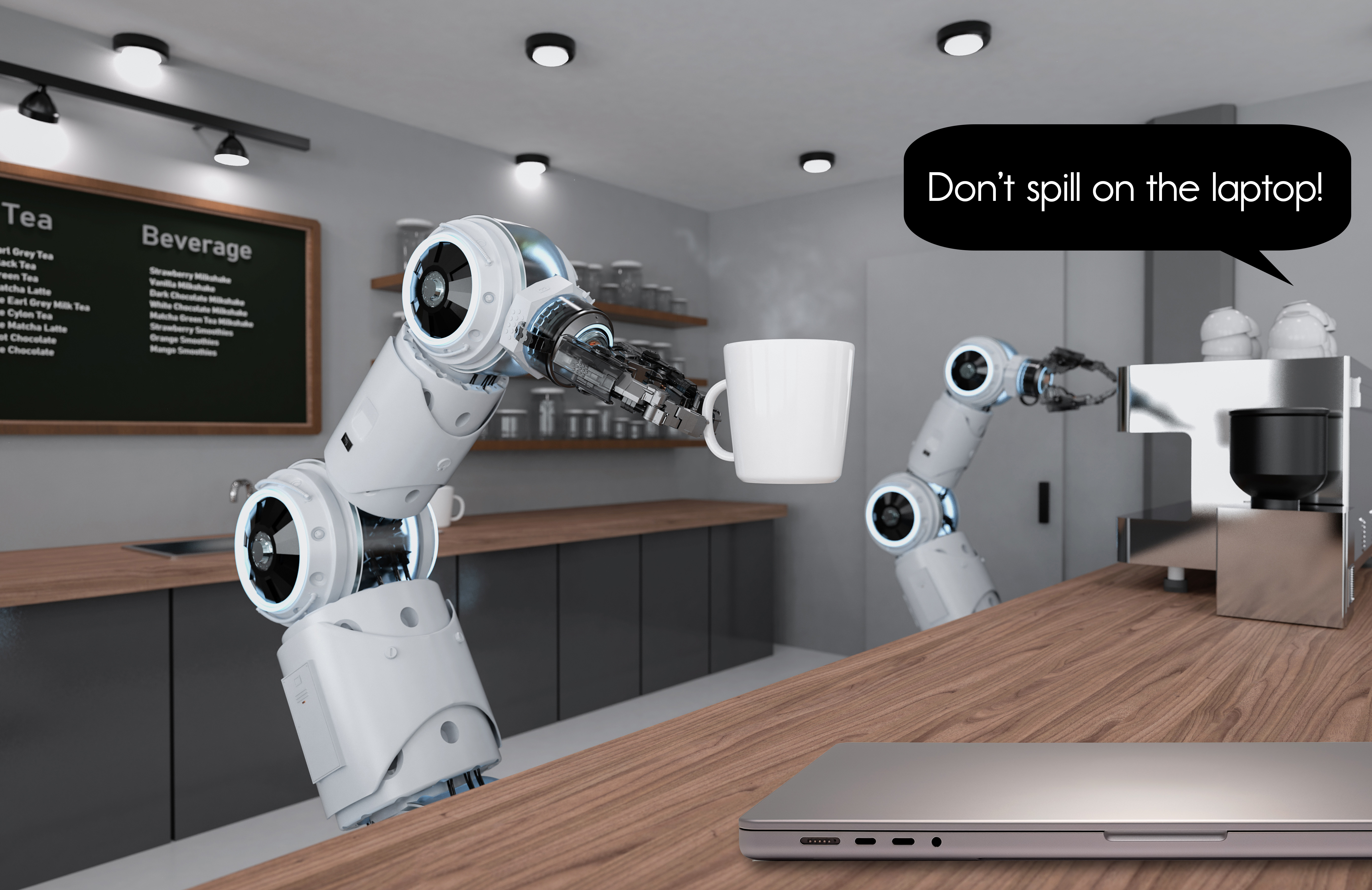
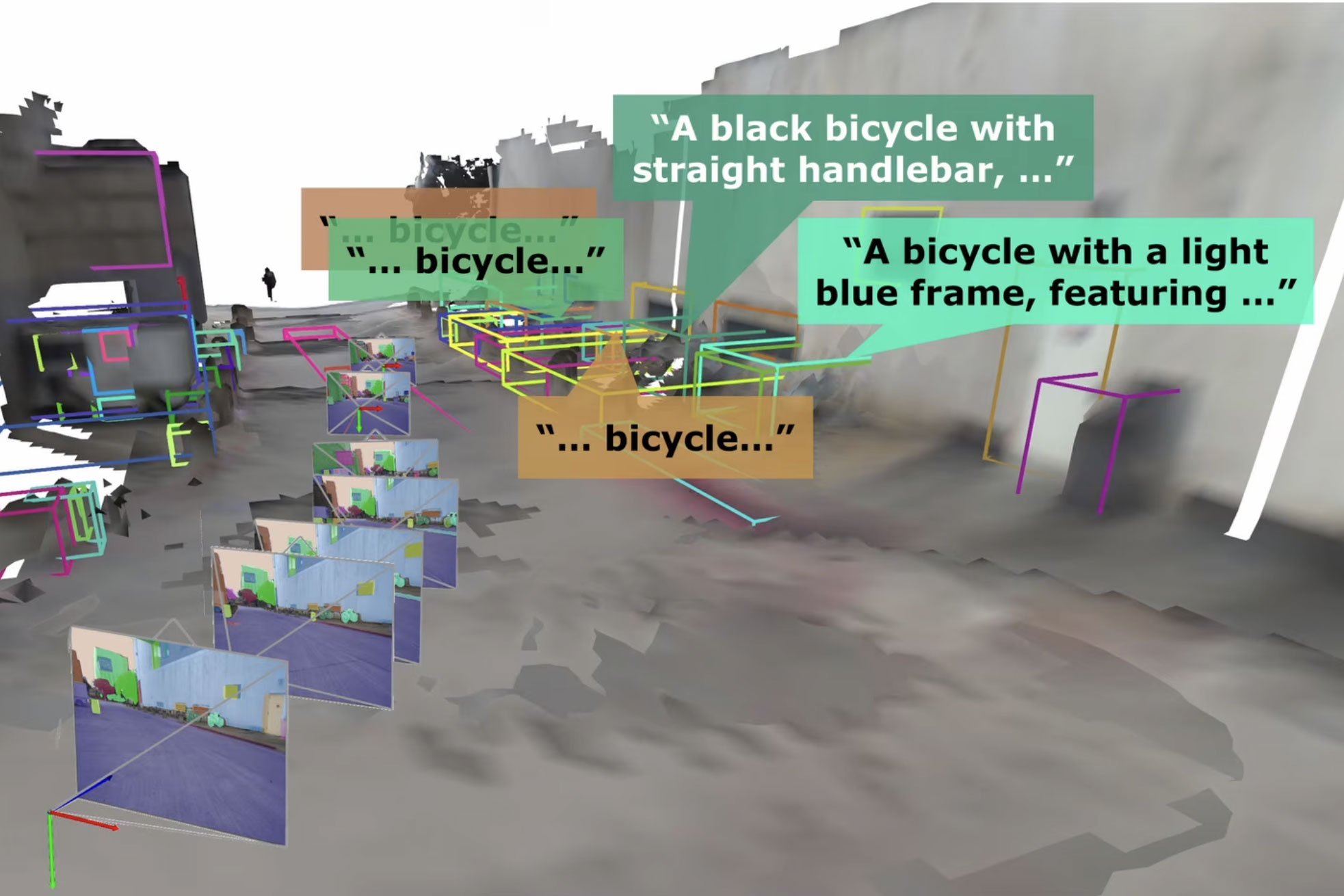
A new system identifies and corrects unreliable object descriptions stored in a robot’s memory, improving the robot’s ability to interact with its environment.Adam Zewe | MIT News
Professor Paris Smaragdis develops computers with superhuman hearing for applications like speech recognition, music understanding, and environmental monitoring.Adam Zewe | MIT News
Assistant Professor Benjamin Lindquist studies how engineers deliberately injected randomness into early AI, giving rise to deep-learning models that sometimes hallucinate.Adam Zewe | MIT News
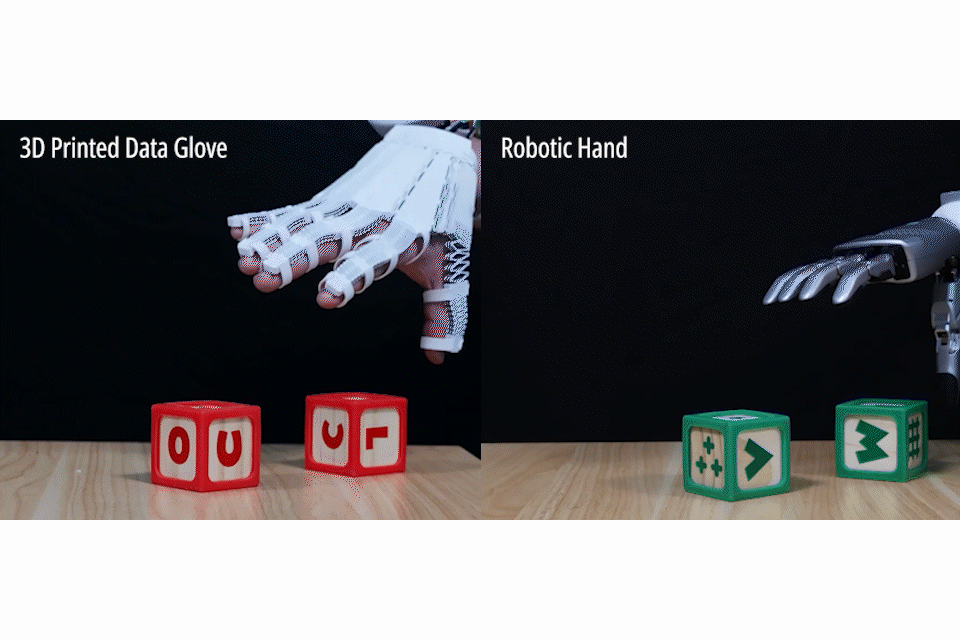
“X-Hinges” helps design and 3D print items like lamps and gloves with an interactive twist: automatically embedded sensors that perceive and adaptively respond to human contact.Alex Shipps | MIT CSAIL
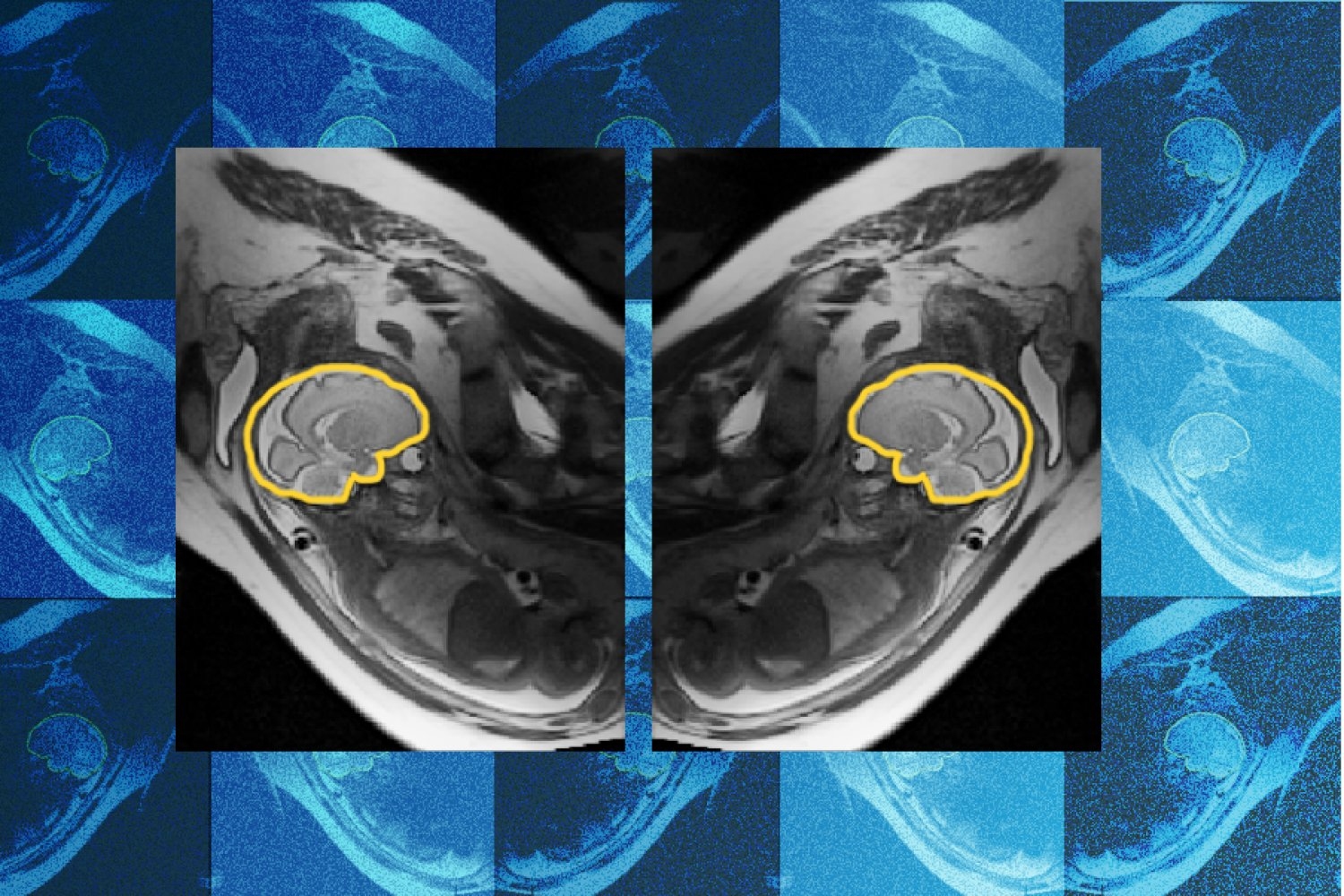
A model developed by researchers at MIT and Boston Children's Hospital adjusts scans on the fly to track fetal movement, potentially sparing families repeat hospital visits.Alex Ouyang | Abdul Latif Jameel Clinic for Machine Learning in Health
A new computational approach reveals how cells communicate to assemble into tissues. This could accelerate stem cell engineering, improve disease models, and inform therapies.Shafaq Zia | Whitehead Institute
Machine-learning networks can learn without detailed instructions from a designer. Those that do may offer insight into how the brain reorganizes itself during learning.Jennifer Michalowski | McGovern Institute for Brain Research
By rethinking how large cloud computing systems operate, Associate Professor Christina Delimitrou seeks to make data centers more energy efficient.Adam Zewe | MIT News
An ongoing survey tracks the latest AI accelerator systems to keep hardware relevant for Lincoln Laboratory staff and sponsors.Haley Wahl | MIT Lincoln Laboratory
Associate Professor Cathy Wu uses reinforcement learning to help map out improvements to transportation and other multifaceted systems.Michaela Jarvis | MIT Laboratory for Information and Decision Systems
“InstructMesh” can generate designs for everyday objects that are easy to edit and fabricate for both experts and newcomers to 3D modeling.Alex Shipps | MIT CSAIL
Able to defeat top-ranked human players and more efficient than other models, the new system could help decision-makers in military maneuvers or business negotiations.Adam Zewe | MIT News
In a study focusing on hiring decisions, MIT researchers found the use of a single algorithm by many firms could benefit job seekers in certain situations.Adam Zewe | MIT News
A new language-processing tool could help identify the highest-risk individuals from natural language, enabling swifter interventions.Jennifer Michalowski | McGovern Institute for Brain Research
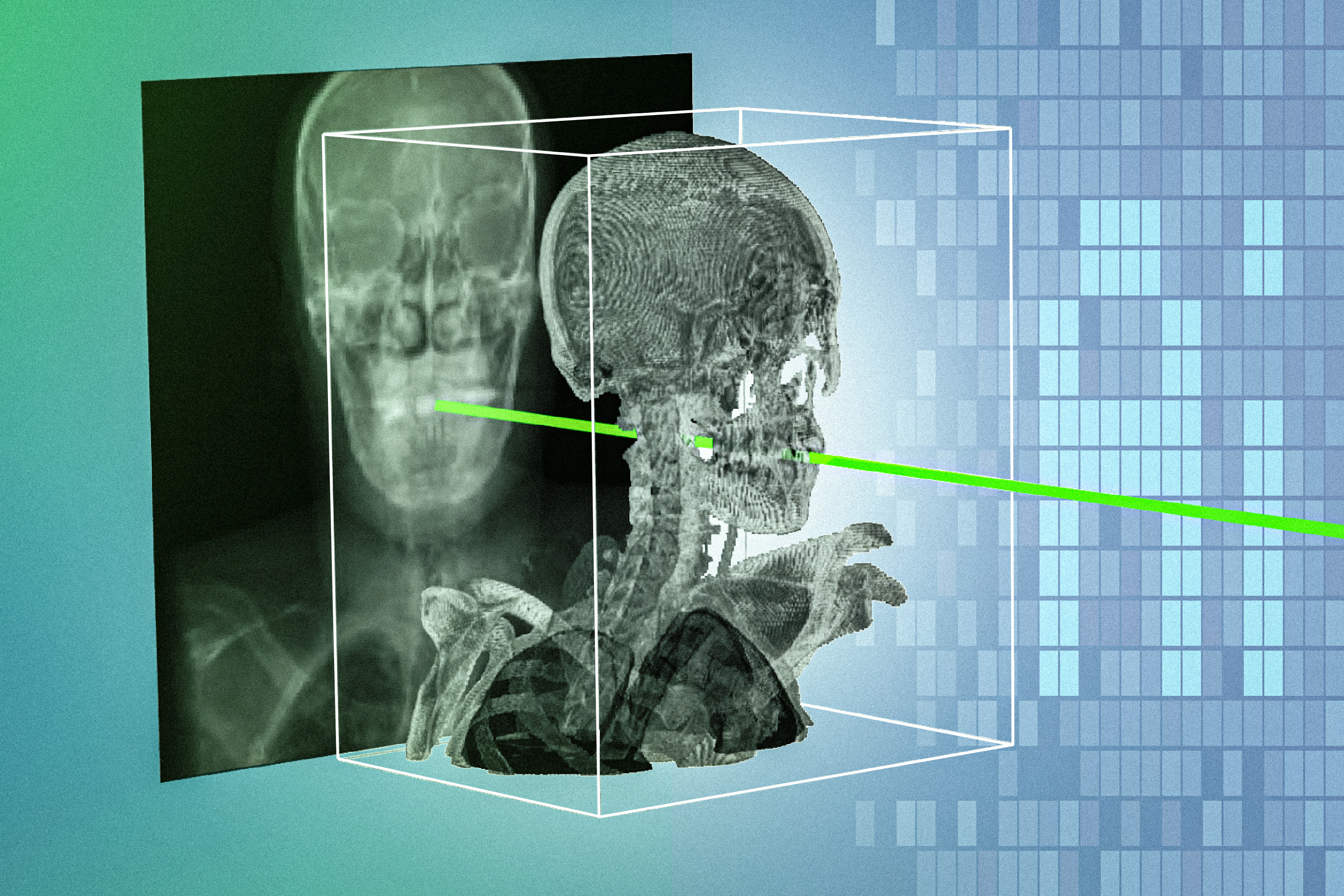
This patient-specific method, called xvr, helps doctors use X-rays for surgical navigation in fields such as orthopedics and neurosurgery.Adam Zewe | MIT News
The “HardFlow” algorithm could help generative AI models produce high-quality outputs that obey strict requirements when “pretty close” doesn’t cut it.Adam Zewe | MIT News
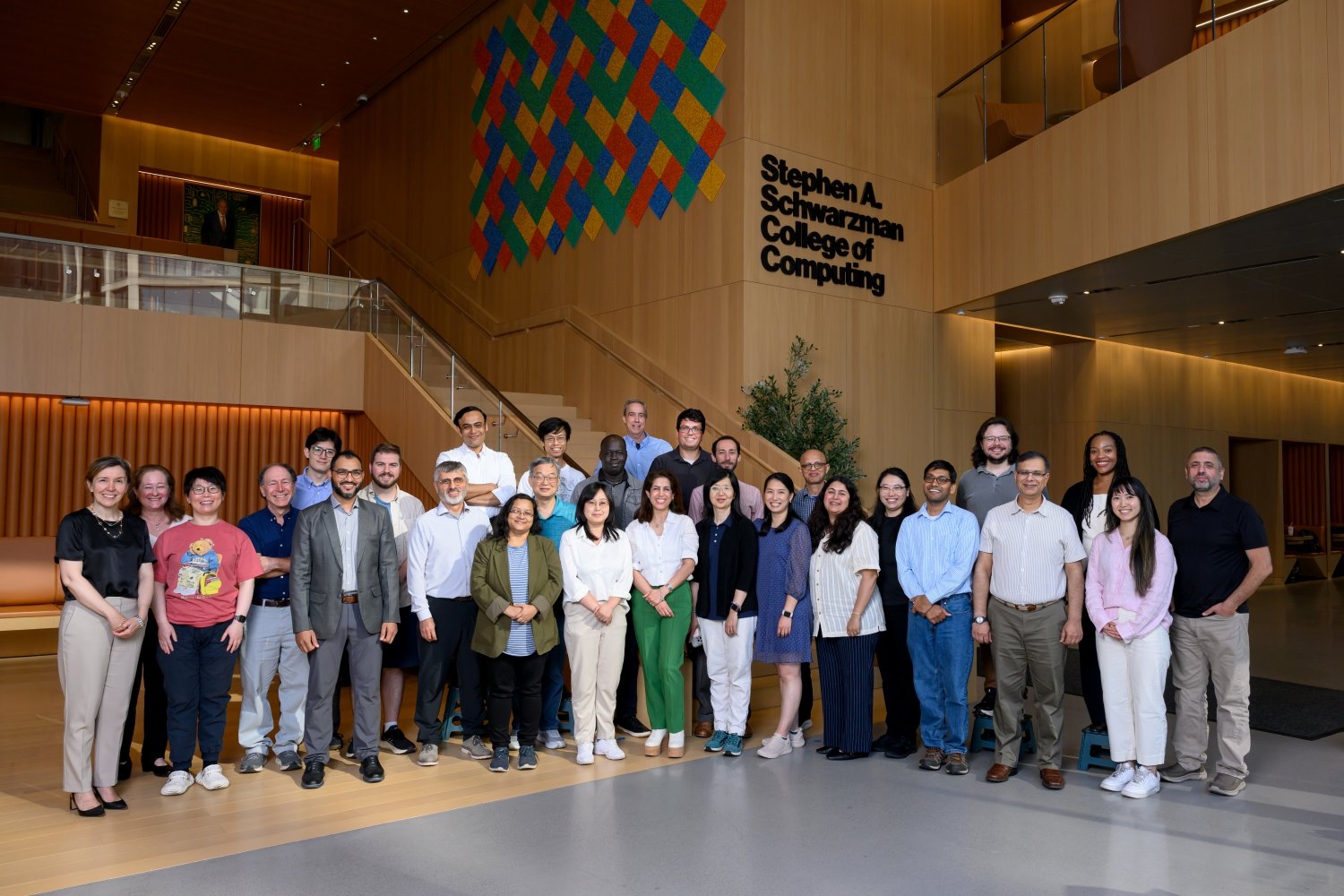
A weeklong summer workshop brought higher education faculty to campus to explore how AI and machine learning materials can be adapted for their classrooms.Amanda Diehl | MIT Schwarzman College of Computing
MIT affiliates engage with the MIT-IBM Computing Research Lab to bring rigorous theory to production systems.Lauren Hinkel | MIT-IBM Computing Research Lab
A new method, called CW-Net, translates the reasoning process of an autonomous vehicle’s AI system into understandable concepts that explain its behavior.Adam Zewe | MIT News
The senior lecturer, already director of the degree program, will now oversee all aspects of the center’s activities and operations.Denise Brehm | MIT Center for Real Estate | Department of Urban Studies and Planning
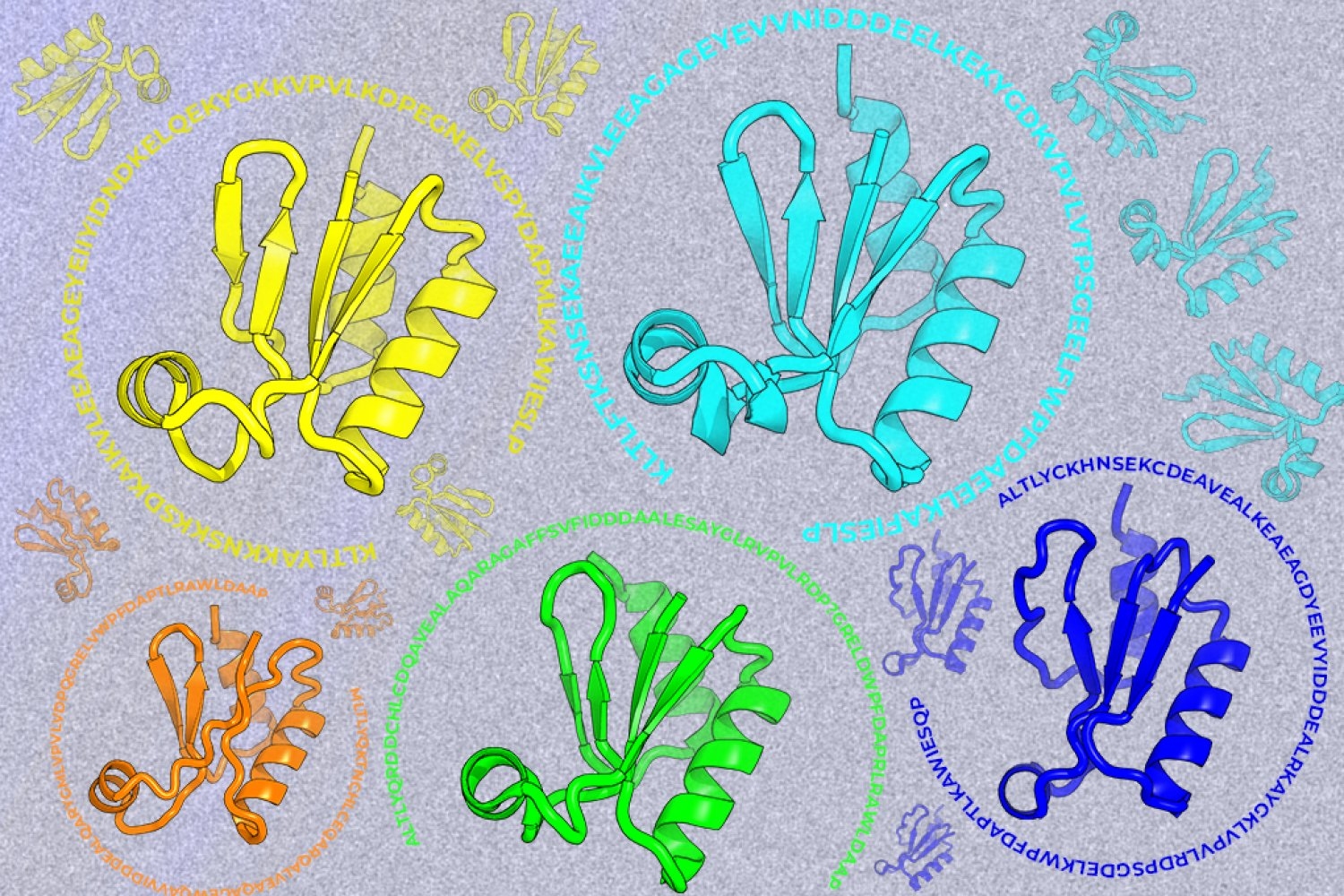
A new machine-learning framework aims to improve the success rate of computational protein design while moving away from results that reproduce sequences found in nature.Lillian Eden | Department of Biology
The “CrysVCD” tool developed at MIT could cut the huge amounts of time and money spent on screening out chemically unstable designs.Zach Winn | MIT News
A new algorithm learns to anticipate the unprecedented scenarios that critical infrastructure and global supply chains are least prepared for.Jennifer Chu | MIT News
New MIT research could lead to better materials for a fossil-fuel-free process for making the chemical that's essential to fertilizer and other products.David L. Chandler | Department of Materials Science and Engineering
A new method for surgically removing training examples from a model reveals that as datasets grow, the link between what a model learns and what it produces dissolves.Rachel Gordon | MIT CSAIL
Assistant Professor Pat Pataranutaporn describes a new interface that lets everyday users glimpse inside an AI's neural network before their chatbot ever says a word.Media Lab
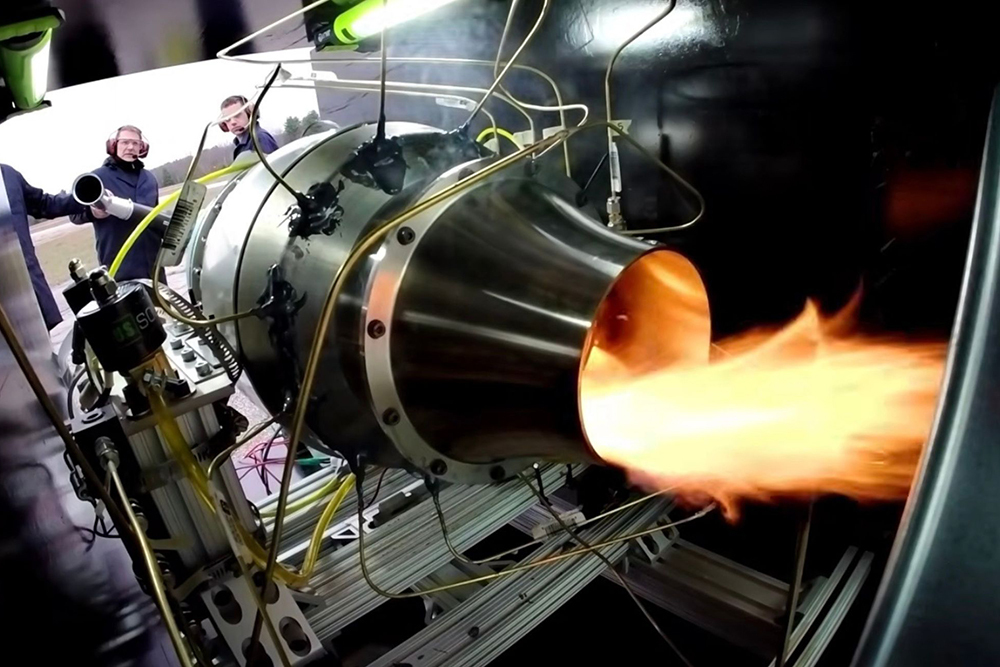
MIT students designed, built, and tested a jet engine with AI copilots, assessing AI’s usefulness in developing high-performance aerospace systems.Department of Aeronautics and Astronautics
“SceneSmith” system uses collaborative AI agents to create realistic 3D environments of places like kitchens, hotels, and living rooms, where robots can simulate everyday chores.Alex Shipps | MIT CSAIL
Researchers developed an auditing technique to test generative AI models for malicious capabilities, without prompting them for illegal outputs.Adam Zewe | MIT News
MIT researchers developed FloatForm, a swarm of small aquatic robots that snap together like ants forming a raft, assembling into reconfigurable structures on the water.Rachel Gordon | MIT CSAIL
Computer scientist Phillip Isola cuts through the hype to explain how AI agents work and what the future might hold for this rapidly advancing technology.Adam Zewe | MIT News
Researchers combined an efficient algorithm with dedicated hardware to rapidly generate 3D maps for navigation using minimal memory and power.Adam Zewe | MIT News
 什么火了